
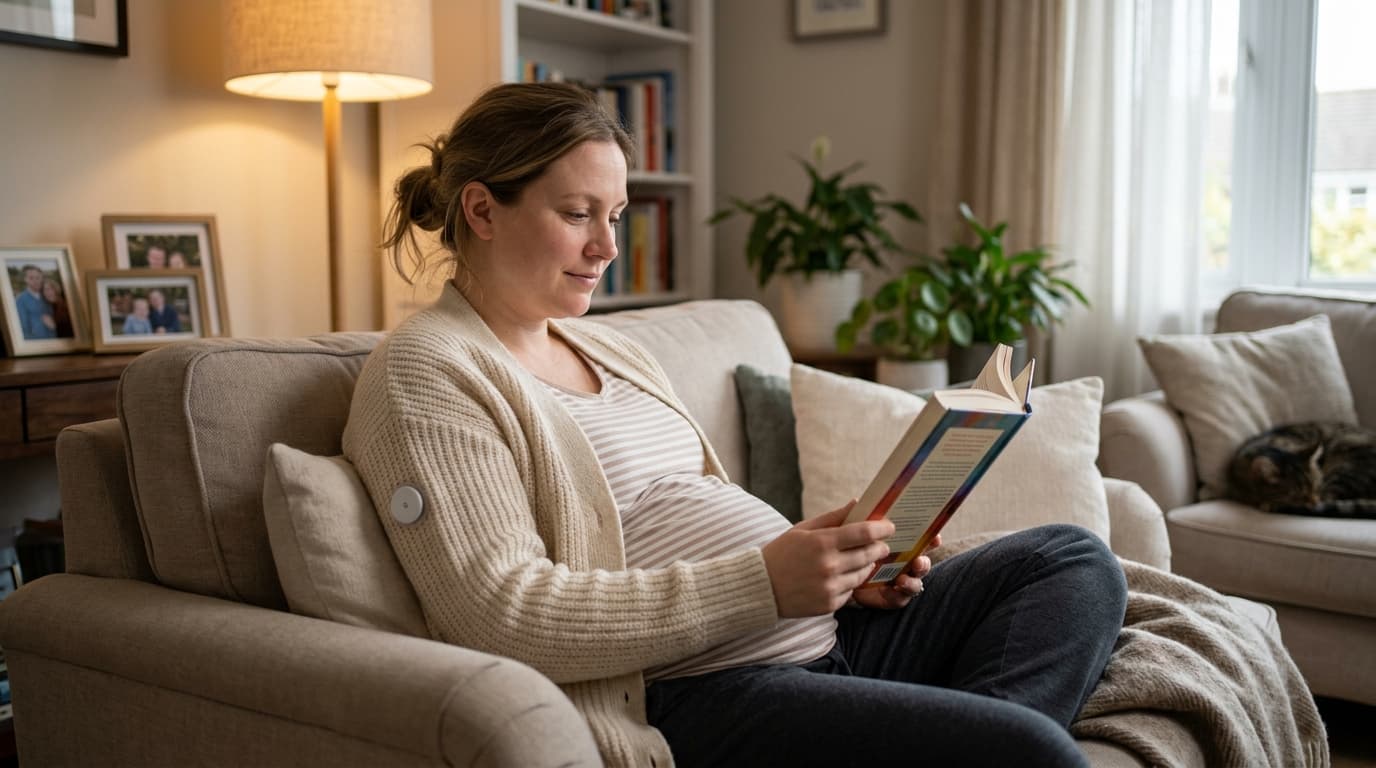
CGM During Pregnancy: Glucose Monitoring Without a GDM Diagnosis
Using a CGM during pregnancy for proactive glucose monitoring — 70-140 mg/dL targets, OTC options without prescription, and when to consult your OB-GYN.
Why Pregnant Women Without GDM Are Using CGMs
Gestational diabetes mellitus (GDM) screening typically occurs between 24 and 28 weeks of pregnancy via an oral glucose tolerance test. But glucose dysregulation can occur before the screening window opens, and some women with abnormal glucose patterns during pregnancy never meet the formal diagnostic criteria for GDM yet still experience glucose-related complications. A growing number of pregnant women — and their obstetricians — are using continuous glucose monitors as a proactive monitoring tool even without a GDM diagnosis. The rationale is straightforward: pregnancy hormones (human placental lactogen, progesterone, cortisol) progressively increase insulin resistance throughout the second and third trimesters, and a CGM can detect glucose patterns trending toward problematic levels weeks before they would trigger an abnormal screening test. Early identification of glucose instability allows dietary and lifestyle interventions before formal GDM develops, potentially preventing the condition entirely.

Glucose Targets During Pregnancy
Glucose targets during pregnancy are significantly tighter than standard diabetes targets. The American College of Obstetricians and Gynecologists (ACOG) recommends fasting glucose below 95 mg/dL, 1-hour postmeal glucose below 140 mg/dL, and 2-hour postmeal glucose below 120 mg/dL for women with GDM. For women without GDM who are using a CGM preventively, most practitioners recommend maintaining a time in range target of 63 to 140 mg/dL for more than 70% of the day — consistent with the pregnancy-specific target range used in the CONCEPTT trial. A continuous glucose monitor reveals whether you are meeting these targets continuously, not just at the 4 fingerstick checkpoints a day that standard GDM monitoring provides. CGM data during pregnancy commonly reveals that certain meals produce glucose spikes well above 140 mg/dL — particularly breakfast foods, which tend to spike more during pregnancy due to the dawn phenomenon combined with progesterone-driven insulin resistance.
What CGM Data Shows During Each Trimester
CGM patterns shift predictably across pregnancy as hormonal changes alter insulin sensitivity. First trimester (weeks 1-12): glucose is generally stable and may actually be lower than pre-pregnancy baseline due to increased glucose utilization by the growing embryo. Some women experience reactive hypoglycemia (glucose drops below 70 mg/dL) during the first trimester, particularly during morning sickness when food intake is reduced. Second trimester (weeks 13-26): insulin resistance begins increasing around week 16 as placental hormones rise. CGM users notice that postmeal glucose spikes become progressively taller for the same foods, and fasting glucose may begin creeping upward. This is the critical window when dietary adjustments guided by CGM data can prevent glucose from reaching GDM-diagnostic levels. Third trimester (weeks 27-40): insulin resistance peaks. Postmeal glucose responses may be 30 to 50% higher than first-trimester responses to the same meal. CGM data during the third trimester is most valuable for fine-tuning the diet, timing carbohydrate intake for periods of highest insulin sensitivity (typically morning and midday), and ensuring that glucose remains in the pregnancy-safe range as delivery approaches.
Practical Considerations for CGM in Pregnancy
Important caveats apply to CGM use during pregnancy. First, the Dexcom G7 and FreeStyle Libre 3 have not been specifically tested in clinical trials during pregnancy, though they are commonly used off-label by pregnant women under physician guidance. The sensor adhesive is generally considered safe during pregnancy, but some women report increased skin sensitivity. Sensor placement on the back of the upper arm (the standard site) is usually comfortable throughout pregnancy, though the abdomen is not recommended during pregnancy for obvious reasons. Over-the-counter CGMs like the Dexcom Stelo are technically available without a prescription, but pregnant women should discuss CGM use with their OB-GYN or midwife before starting. Insurance typically does not cover CGMs for pregnant women without a GDM diagnosis, so the out-of-pocket cost of $75 to $150 per month applies. Most women find that 8 to 12 weeks of CGM use during the second and early third trimesters provides the most actionable data for dietary optimization.