
CGM for Athletes: Glucose Fueling Data for Training and Recovery
How endurance athletes and pro sports teams use CGM glucose data to optimize carb timing, prevent bonking, and accelerate recovery — 70-140 mg/dL target zones explained.
Why Athletes Are Adopting Continuous Glucose Monitors
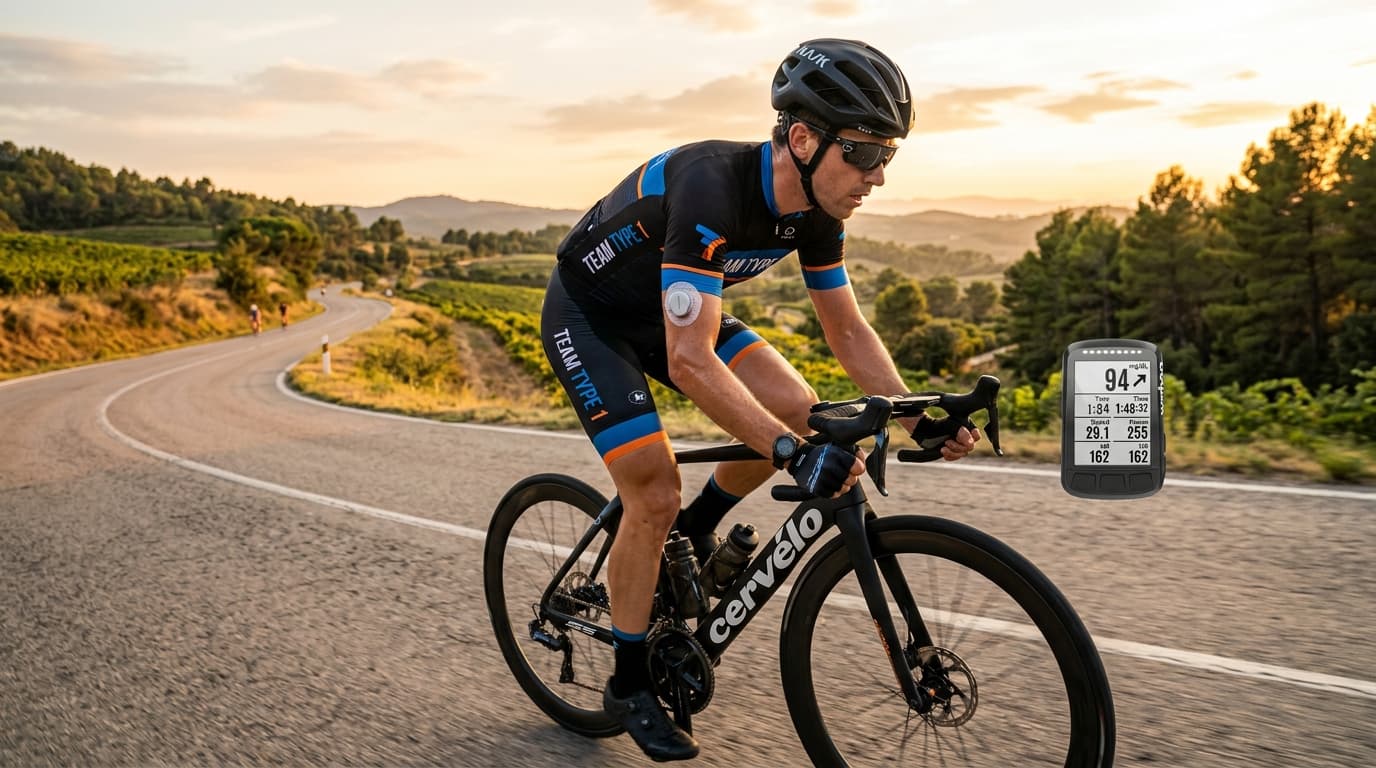
Glucose is the primary fuel for high-intensity exercise. During a marathon, a cyclist's time trial, or a CrossFit competition, the body burns through muscle glycogen at a rate of 1 to 3 grams per minute — and when glycogen stores are depleted, performance collapses (the infamous "bonk" or "hitting the wall"). A continuous glucose monitor gives athletes a real-time window into their fuel status that was previously invisible without laboratory blood draws. Professional cycling teams including INEOS Grenadiers and Jumbo-Visma have publicly adopted CGM technology for their riders. Ironman triathletes, ultramarathon runners, and Olympic swimmers use CGMs to fine-tune carbohydrate intake during training and competition. At the recreational level, Levels and Nutrisense both market CGM plans specifically for athletic performance optimization, helping fitness enthusiasts understand how pre-workout meals, in-workout fueling, and recovery nutrition affect their glucose — and by extension, their performance.
Pre-Workout Fueling Optimization
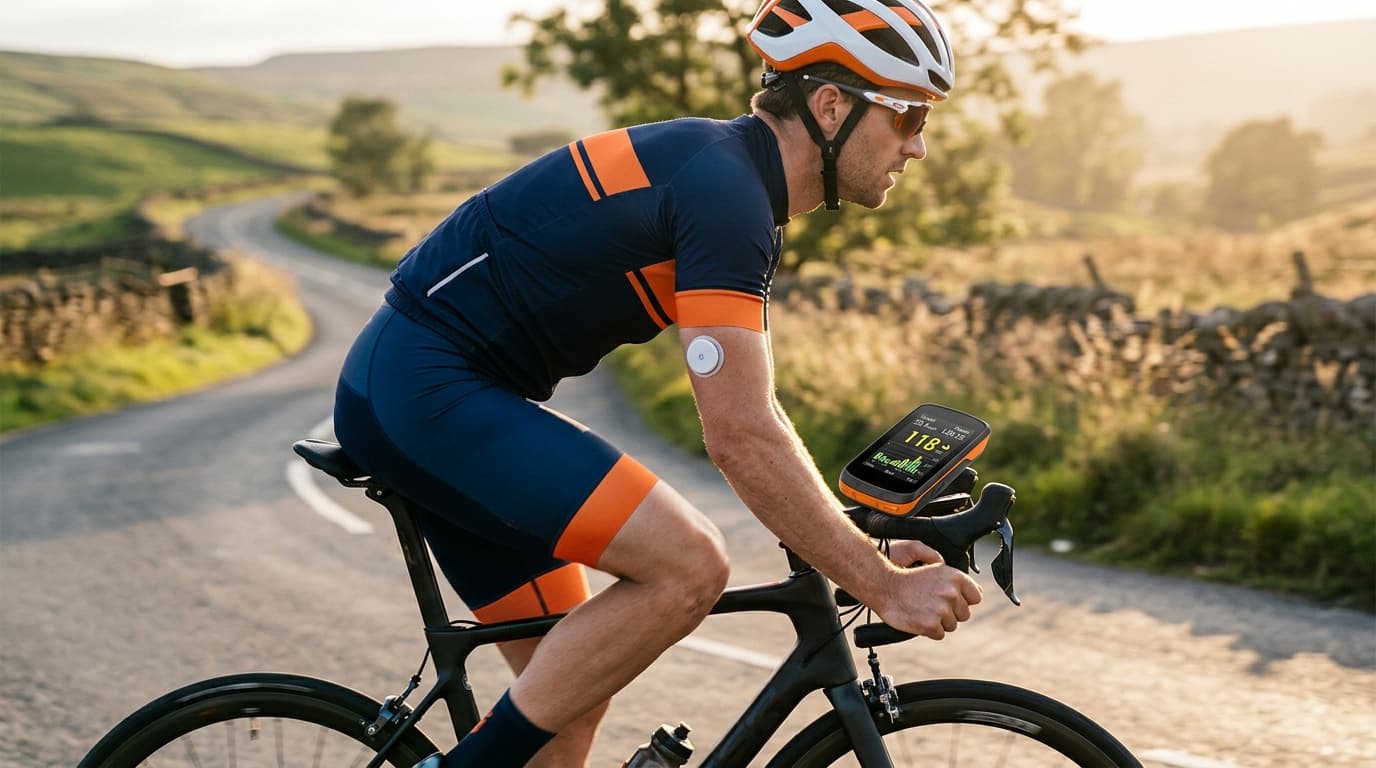
What you eat before exercise directly determines the glucose available when you start. A meal that spikes glucose to 200 mg/dL, followed by an insulin-driven crash to 80 mg/dL, leaves you starting a workout in a fuel deficit — leading to early fatigue and poor performance. CGM data reveals the optimal pre-workout meal for your body: one that raises glucose to a moderate, stable level (110-140 mg/dL) without triggering an excessive insulin response. Most athletes discover through CGM testing that the optimal pre-workout meal is eaten 90 to 120 minutes before exercise, contains moderate carbohydrates combined with protein and fat (e.g., oatmeal with peanut butter and banana), and avoids high-glycemic simple sugars that cause a spike-and-crash pattern. The Levels app provides a "meal score" that quantifies the glucose stability of each pre-workout meal, allowing athletes to A/B test different combinations and identify their personal optimal fueling strategy.
In-Event Carbohydrate Timing
For endurance events lasting longer than 60 to 90 minutes, in-event carbohydrate intake is essential to prevent glycogen depletion. Current sports nutrition guidelines recommend 60 to 90 grams of carbohydrates per hour during prolonged exercise, but the optimal timing and source of those carbs varies between individuals. CGM data during training sessions reveals how quickly different carbohydrate sources (gels, chews, sports drinks, real food) appear as glucose in the bloodstream. Fast-acting sources like glucose gels typically raise blood sugar within 5 to 10 minutes, while slower sources like energy bars take 20 to 30 minutes. An athlete can use CGM data to time their intake so glucose arrives as fuel precisely when it is needed — preventing both the performance drop from low glucose and the GI distress from consuming too much too quickly. The real-time trend arrow feature on CGMs is particularly valuable during races: if glucose shows a downward trend arrow at 95 mg/dL during a half-marathon, consuming a gel immediately prevents a performance-limiting low that might not occur for another 15 to 20 minutes.
Recovery and Glycogen Replenishment
Post-exercise recovery depends on refilling depleted muscle glycogen stores as quickly as possible. The glycogen resynthesis rate is highest in the first 30 to 60 minutes after exercise (the "glycogen window"), when insulin sensitivity is temporarily elevated and glucose transporters in muscle cells are maximally active. CGM data during the recovery period shows how effectively your post-workout meal is raising blood glucose and — by implication — delivering fuel to depleted muscles. An ideal recovery meal produces a moderate, sustained glucose elevation (130-160 mg/dL) lasting 60 to 90 minutes, indicating a steady flow of glucose into muscle cells. A sharp spike to 200+ mg/dL followed by a rapid crash suggests that insulin overshot and glucose was cleared from the blood before muscles fully absorbed it. By tracking post-workout glucose patterns across different recovery meals, athletes can optimize the composition, timing, and quantity of their recovery nutrition for faster adaptation and reduced soreness.