
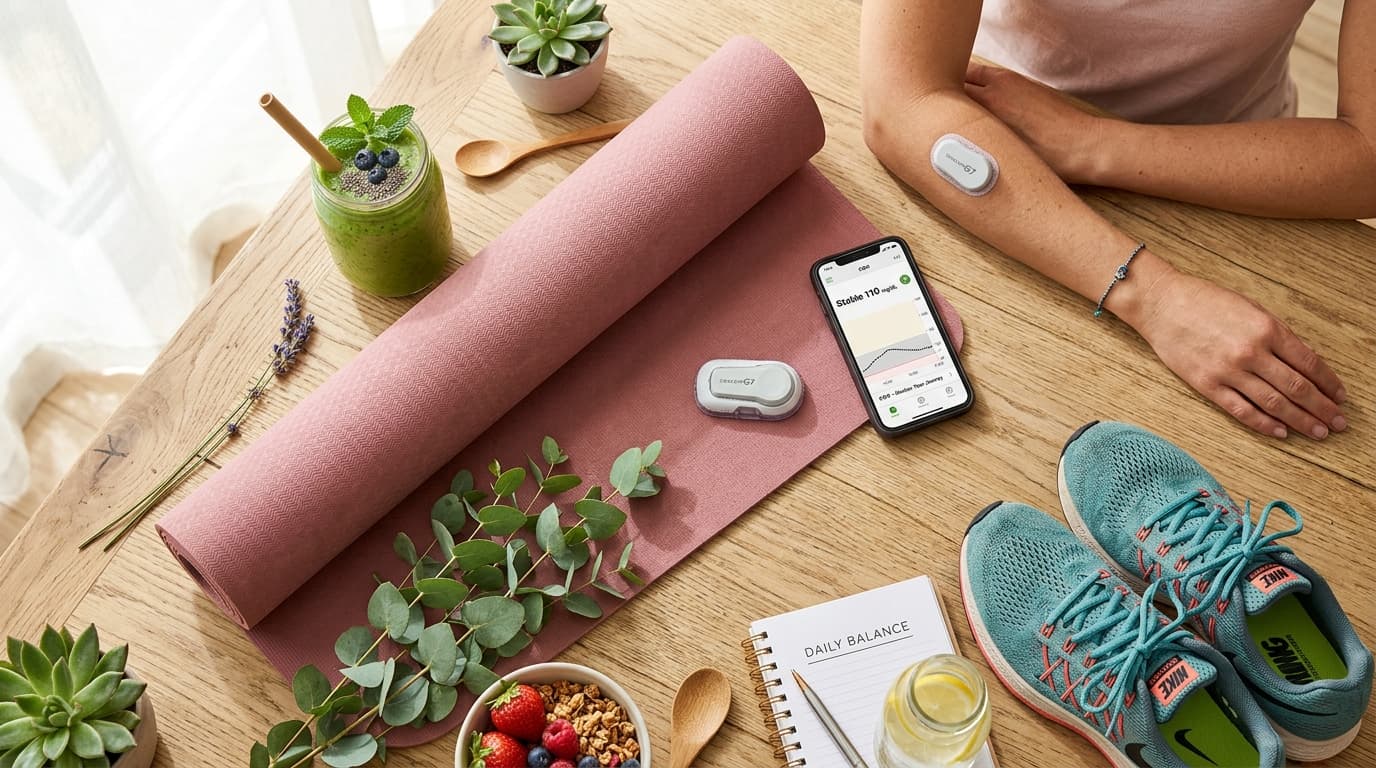
CGM for Non-Diabetics: 8 Wellness Uses for Glucose Monitoring
You do not need a diabetes diagnosis to benefit from a continuous glucose monitor. Over-the-counter CGMs now let anyone track how their body processes food, responds to exercise, and manages blood sugar — all without a prescription.
Why Healthy People Are Wearing CGMs
The wellness CGM market exploded in 2024 when the FDA cleared the first over-the-counter continuous glucose monitors— the Dexcom Stelo and Abbott Lingo — for sale without a prescription. For the first time, any adult over 18 could purchase a CGM sensor at a pharmacy or online and see their blood sugar in real time. The appeal is straightforward: glucose is the body's primary fuel, and understanding how it fluctuates in response to food, exercise, sleep, and stress provides actionable insights that no other consumer wearable can match.
A 2024 Stanford University study found that 80% of self-described healthy adults experienced glucose spikes above 140 mg/dL after certain meals — a threshold associated with increased cardiovascular risk and accelerated metabolic aging when it occurs repeatedly. Most of these individuals had normal A1C levels and would never have been flagged by standard blood tests. The continuous glucose data revealed a hidden layer of metabolic variability that periodic testing misses entirely.
CGM subscription services like Nutrisense, Levels, Signos, and Veri have built their businesses around this wellness use case, pairing CGM sensors with mobile apps, AI-driven food scoring, and dietitian coaching to translate raw glucose data into personalized health recommendations. These services report that most users achieve their primary health goals — whether weight loss, energy optimization, or metabolic awareness — within 2 to 4 months of CGM use.
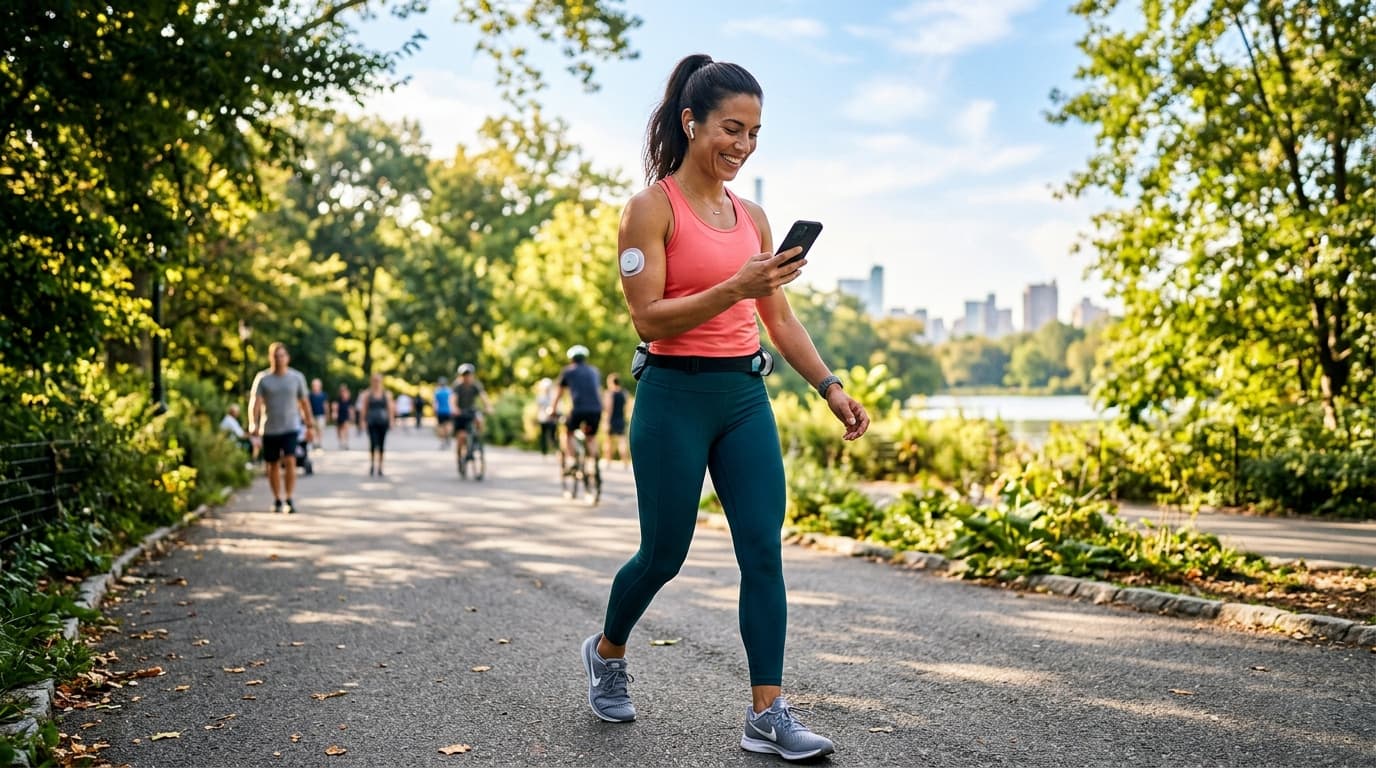
Wellness Topics
CGM for Weight Loss
Clinical research shows CGM users lose 4.1 kg versus 1.8 kg with standard diets — real-time glucose data drives food awareness and sustainable fat loss.
Read guide →
CGM for Athletes
How endurance athletes and pro sports teams use CGM glucose data to optimize carb timing, prevent bonking, and accelerate recovery.
Read guide →
CGM for Biohacking
Track 288 daily glucose readings to personalize nutrition, quantify metabolic flexibility, and optimize performance.
Read guide →
CGM and Diet
CGM data reveals how 50+ foods affect glucose differently — with 20-80 mg/dL post-meal variation between individuals.
Read guide →
CGM and Intermittent Fasting
CGM data shows fasting glucose drops 5-15 mg/dL during 16:8 windows, plus dawn phenomenon and refeeding patterns.
Read guide →
CGM and Sleep
Blood sugar below 54 mg/dL or above 180 mg/dL disrupts sleep architecture — CGM reveals nocturnal glucose patterns.
Read guide →
CGM and Stress
Stress triggers cortisol release that raises blood sugar 30-50 mg/dL without eating — visible through continuous monitoring.
Read guide →
CGM During Pregnancy
Proactive glucose monitoring during pregnancy — 70-140 mg/dL targets, OTC options, and when to consult your OB-GYN.
Read guide →
Who Is the Wellness CGM User?
The non-diabetic CGM market serves several distinct populations. Weight management users wear CGMs to identify foods that cause glucose spikes and insulin surges that promote fat storage — Signos, the only FDA-cleared CGM service for weight management, reports average user weight loss of 5 to 10 pounds in 3 months. Athletes and fitness enthusiasts use glucose data to optimize pre-workout fueling, in-event carbohydrate timing, and post-exercise recovery nutrition. Biohackers treat CGM data as an objective metabolic scorecard, running controlled experiments on diet, supplements, sleep protocols, and fasting regimens. Health-conscious individuals over 40 use CGMs preventively to detect early signs of insulin resistance before prediabetes develops on standard blood tests.
Most wellness CGM users wear a sensor for 1 to 3 months to establish baseline patterns and identify their worst glucose offenders, then switch to periodic 2-week check-ins every few months to monitor progress. The cost of $49 to $99 per month for an OTC sensor makes this approach financially accessible for most adults, and no doctor visit is required to get started.
When CGM Data Reveals a Medical Concern
Wellness users occasionally discover patterns that warrant medical evaluation. Fasting glucose consistently above 100 mg/dL on CGM data meets the clinical threshold for prediabetes. Postmeal spikes exceeding 200 mg/dL — found in 12% of “healthy” adults in a 2020 Stanford study — suggest impaired glucose tolerance that a standard A1C test may not detect. If your CGM shows persistent readings above 180 mg/dL, frequent overnight lows below 54 mg/dL, or a coefficient of variation above 36%, schedule a consultation with your physician for fasting insulin, A1C, and metabolic panel testing. For a full guide to the 7 conditions where CGMs provide clinical benefit, see the conditions and CGM use cases guide.
Related Resources
- CGM Subscription Services Compared — Nutrisense vs Levels vs Signos vs Veri — pricing, features, and coaching.
- Best OTC CGMs for Non-Diabetics — Dexcom Stelo, Abbott Lingo, and Libre Rio compared.
- CGM for Prediabetes — How 96 million American adults with prediabetes benefit from glucose monitoring.