
Best CGM for Weight Loss in 2026: 3 Devices and 4 Services Ranked
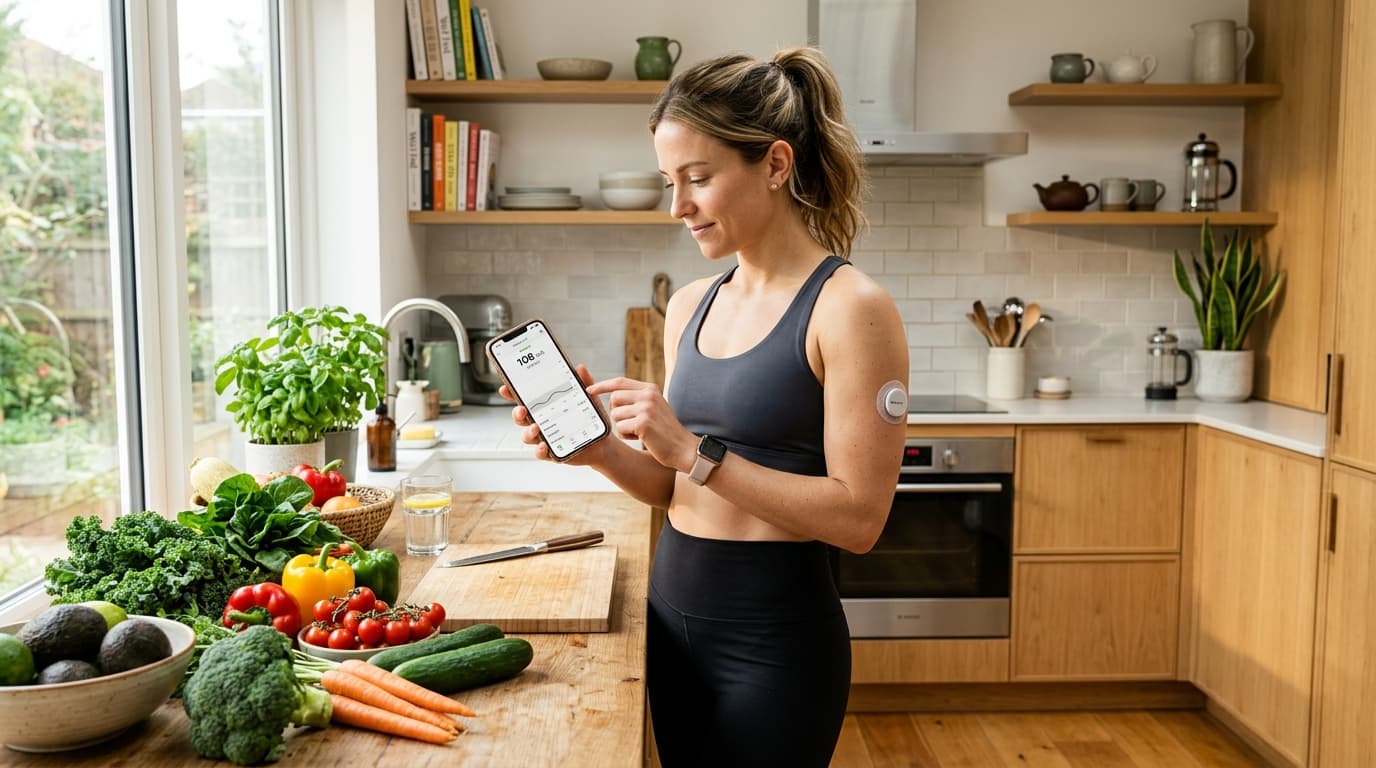
Continuous glucose monitors have become a mainstream weight loss tool in 2026, driven by the intersection of metabolic health awareness and GLP-1 medication adoption. A CGM reveals exactly how different foods, portion sizes, and meal timing affect blood sugar, allowing users to identify and eliminate the glucose spikes that trigger fat storage, cravings, and energy crashes. Abbott Libre Rio is the first CGM with an FDA-cleared indication specifically for weight management, while Signos is the only CGM subscription service FDA-cleared for weight loss.
The science behind CGM-assisted weight loss is straightforward: postprandial glucose spikes above 140 mg/dL trigger larger insulin responses, and chronically elevated insulin promotes fat storage and inhibits fat oxidation. By wearing a continuous glucose monitor and tracking meal responses, users learn which foods cause minimal glucose elevation (keeping insulin low and fat-burning active) and which foods spike blood sugar and stall weight loss. A 2024 pilot study in Metabolism showed that 12 weeks of CGM use reduced postprandial glucose spikes by 25% and improved fasting glucose by 8 mg/dL. Pairing a CGM with a subscription service like Signos adds AI-driven exercise timing recommendations that help users burn more fat by working out when glucose is falling.

For weight loss without a prescription, the Abbott Libre Rio is the top choice because it is the only CGM FDA-cleared specifically for weight management and integrates GLP-1 medication tracking at just $49/month. The Dexcom Stelo is the better choice for users who want richer data visualization and app analytics. For guided weight loss with coaching, the Signos service pairs Dexcom sensors with FDA-cleared AI weight management tools.
Recommended CGMs for This Category
| Product | MARD | Wear Time | Type | Rx? | With Insurance | Without Insurance | Medicare | Rating |
|---|---|---|---|---|---|---|---|---|
| Dexcom G7 | 8.2% | 10 days | Real time CGM | Yes | $20–$40 per month | $250–$350 per month | ✓ | 4.8 |
| Dexcom G7 15-Day | 8.2% | 15 days | Real time CGM | Yes | $20–$40 per month | $250–$350 per month | ✓ | 4.7 |
| FreeStyle Libre 3 Plus | 7.9% | 15 days | Real time CGM | Yes | $15–$30 per month | $75–$150 per month | ✓ | 4.7 |
| Eversense 365 | 8.5% | 365 days | Real time CGM | Yes | $150–$350 per month (amortized including implant procedure) | $2,000–$5,000 per annual sensor cycle | — | 4.6 |
| Eversense E3 | 8.5% | 180 days | Real time CGM | Yes | $200–$400 per month (amortized including implant procedure) | $1,000–$3,000 per 6-month sensor cycle | — | 4.5 |
| FreeStyle Libre 2 | 9.2% | 14 days | Flash glucose monitoring (scan based with optional alarms) | Yes | $15–$30 per month | $75–$150 per month | ✓ | 4.4 |
| Dexcom Stelo | 9% | 15 days | Real time CGM | No | N/A — OTC product not covered by insurance | $49–$99 per month | — | 4.3 |
| Abbott Lingo | 9% | 14 days | Real time CGM | No | N/A — OTC product not covered by insurance | $49 per month | — | 4.2 |
| Medtronic Guardian 4 | 8.7% | 7 days | Real time CGM | Yes | $30–$50 per month | $200–$300 per month | ✓ | 4.2 |
| Abbott Libre Rio | 9% | 14 days | Real time CGM | No | N/A — OTC product not covered by insurance | $49 per month | — | 4.1 |
| SIBIONICS CGM | 9% | 14 days | Real time CGM | No | N/A — not yet available in US insurance networks | $30–$60 per month (international pricing) | — | 3.8 |
| Biolinq Shine | 0% | 7 days | Real time CGM | No | N/A — not yet commercially available | N/A — not yet commercially available | — |