
Carbohydrates and Blood Sugar: Simple vs Complex, Timing, and Amounts
How simple, complex, and resistant carbohydrates affect blood sugar differently. Glycemic response curves, ADA carb recommendations, carb counting basics, and net carbs explained.
The Three Categories of Dietary Carbohydrate
Carbohydrates are the macronutrient with the largest and fastest effect on blood glucose. Approximately 90 to 100% of digestible carbohydrate converts to blood glucose within 1 to 2 hours of consumption, compared to roughly 50% of protein (over 3-5 hours) and 0% of fat. Dietary carbohydrates fall into three functionally distinct categories based on how they are digested. Simple carbohydrates (monosaccharides and disaccharides) include glucose, fructose, sucrose, and lactose — they require minimal digestion and enter the bloodstream within 15 to 30 minutes, producing rapid glucose spikes. Complex carbohydrates (polysaccharides) include starches and glycogen — long chains of glucose molecules that must be enzymatically broken apart, producing a slower, more gradual glucose rise over 30 to 90 minutes. Resistant starch and dietary fiber are technically carbohydrates but are not digested in the small intestine — resistant starch is fermented by gut bacteria in the colon (producing short-chain fatty acids, not glucose), while insoluble fiber passes through entirely undigested. These categories create fundamentally different glucose response curves visible on CGM data.
Simple vs Complex: Glucose Response Curves on CGM
CGM data reveals distinct signature patterns for each carbohydrate type. A serving of simple carbohydrate — 12 ounces of cola (39g sugar) — produces a sharp spike of 50 to 80 mg/dL that peaks at 20 to 30 minutes and resolves within 60 to 90 minutes, creating a tall, narrow glucose curve. The same caloric amount as complex carbohydrate — a cup of cooked lentils (40g carbs) — produces a gentle rise of 15 to 30 mg/dL that peaks at 60 to 90 minutes and resolves over 2 to 3 hours, creating a low, wide curve. The total area under the glucose curve (AUC) may be similar, but the peak height is dramatically different — and peak height determines the insulin demand, oxidative stress, and metabolic consequences. A 2019 study in Diabetes Care by Pujol-Autonell et al. demonstrated that reducing postmeal glucose peaks by 25% — even without changing total daily carbohydrate — reduced markers of inflammation (CRP, IL-6) by 18 to 22% over 12 weeks. The form of carbohydrate matters: liquid carbohydrates produce sharper spikes than solid carbohydrates with equivalent sugar content because they bypass mechanical chewing and gastric processing.
Resistant Starch: The Carbohydrate That Lowers Blood Sugar
Resistant starch (RS) is a unique form of carbohydrate that resists digestion in the small intestine and instead ferments in the large intestine, functioning more like fiber than starch from a glucose perspective. Four types exist: RS1 (physically protected starch in whole grains and seeds), RS2 (raw starch granules in green bananas and raw potatoes), RS3 (retrograde starch formed when cooked starch cools), and RS4 (chemically modified starch used in food manufacturing). RS3 is the most practically relevant: cooking rice, potatoes, or pasta and then cooling them in the refrigerator for 12 to 24 hours converts 10 to 15% of the digestible starch into resistant starch, reducing the glycemic impact by 10 to 20% upon reheating. A 2015 study from the College of Chemical Sciences in Sri Lanka demonstrated that cooking rice with coconut oil and cooling for 12 hours increased resistant starch content by up to 60%. A 2019 meta-analysis in Medicine found that consuming 15 to 30 grams of resistant starch daily improved insulin sensitivity by 33% and reduced fasting glucose by 7 mg/dL over 4 to 12 weeks. CGM data shows that meals rich in resistant starch produce lower peak glucose, longer time-to-peak, and faster return to baseline compared to the same food without resistant starch formation.
Daily Carbohydrate Recommendations and Carb Counting
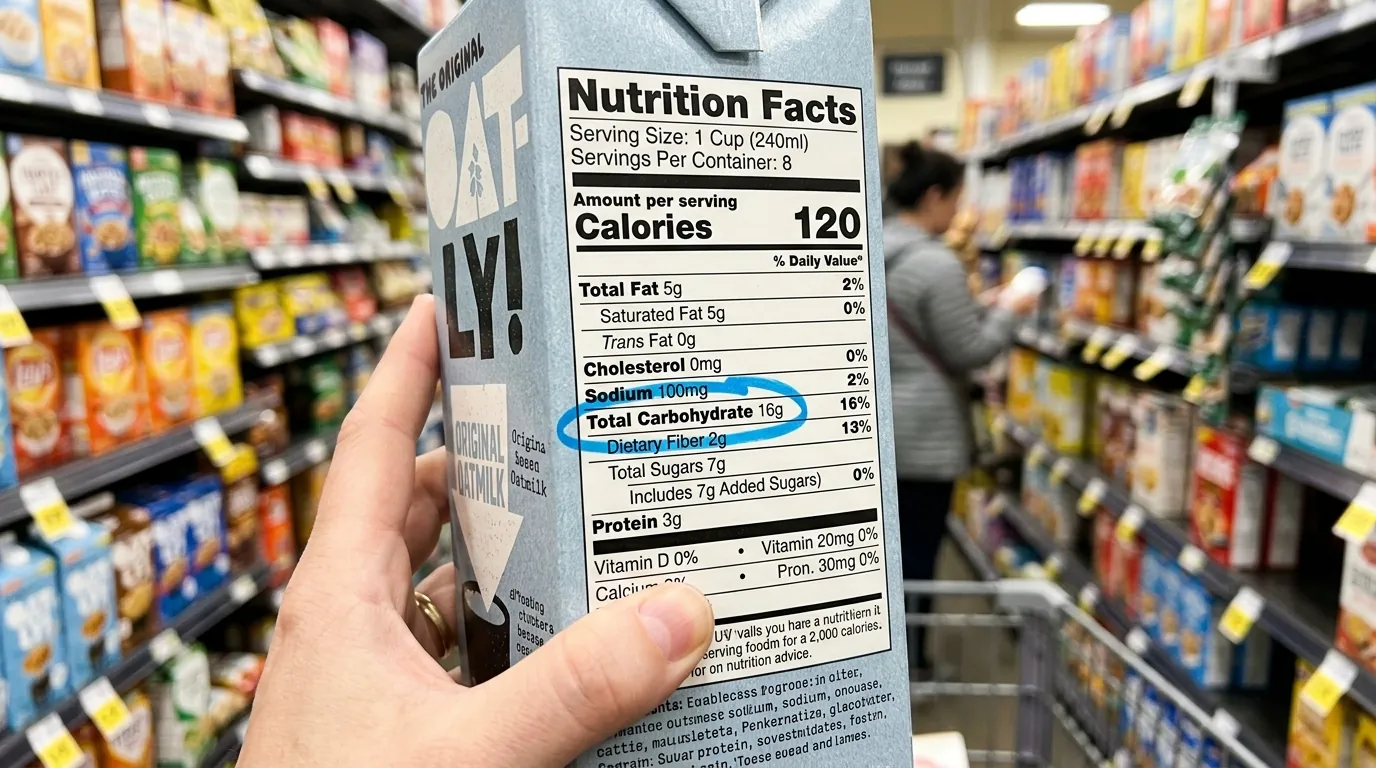
The American Diabetes Association (ADA) no longer prescribes a single ideal carbohydrate percentage for people with diabetes, instead recommending individualized medical nutrition therapy based on personal goals, medications, activity level, and glucose data. The general Dietary Guidelines for Americans recommend 45 to 65% of total calories from carbohydrate (225 to 325 grams per day on a 2,000-calorie diet). For people with type 2 diabetes, many clinicians recommend a moderate reduction to 40 to 50% of calories from carbohydrate (200-250g), while low-carb approaches target 50 to 130 grams per day, and very-low-carb or ketogenic diets target below 50 grams. Carb counting is the practice of tracking total grams of digestible carbohydrate per meal to predict glucose impact and calculate insulin doses. Net carbs equals total carbohydrate minus fiber minus sugar alcohols (for products containing them). A meal containing 45 grams of total carbohydrate and 10 grams of fiber has 35 grams of net carbs — the fiber portion does not raise blood glucose. CGM data is the most accurate way to calibrate your personal carbohydrate tolerance: wear a sensor for 2 weeks while logging meals and identify the carbohydrate amount per meal that keeps your glucose below 140 mg/dL. Most adults find their personal threshold falls between 30 and 60 grams of net carbs per meal.
Carbohydrate Timing: When You Eat Carbs Matters
The same carbohydrate meal produces different glucose responses depending on the time of day, the order within a meal, and the time since your last meal. Circadian research shows that insulin sensitivity is highest in the morning and lowest in the evening — a phenomenon driven by cortisol, melatonin, and core body temperature cycles. A 2018 study in Diabetologia found that 50 grams of carbohydrate consumed at 8 AM produced a postmeal spike 20% lower than the identical meal consumed at 8 PM in the same individuals. Meal order within a single sitting also matters: the Shukla et al. research (2015) demonstrated that eating protein and vegetables before carbohydrates reduced the postmeal spike by 29%. Time since last meal affects the response through a mechanism called the "second meal effect" — a low-GI breakfast reduces the glucose response to lunch by 15 to 25%, even if lunch is high-GI, because the slow carbohydrate from breakfast sustains insulin sensitivity into the next meal. CGM data makes these timing effects visible and personally quantifiable, allowing you to optimize not just what you eat but when and in what order. For comprehensive timing strategies, see the meal timing guide.