
Insulin Resistance
Definition
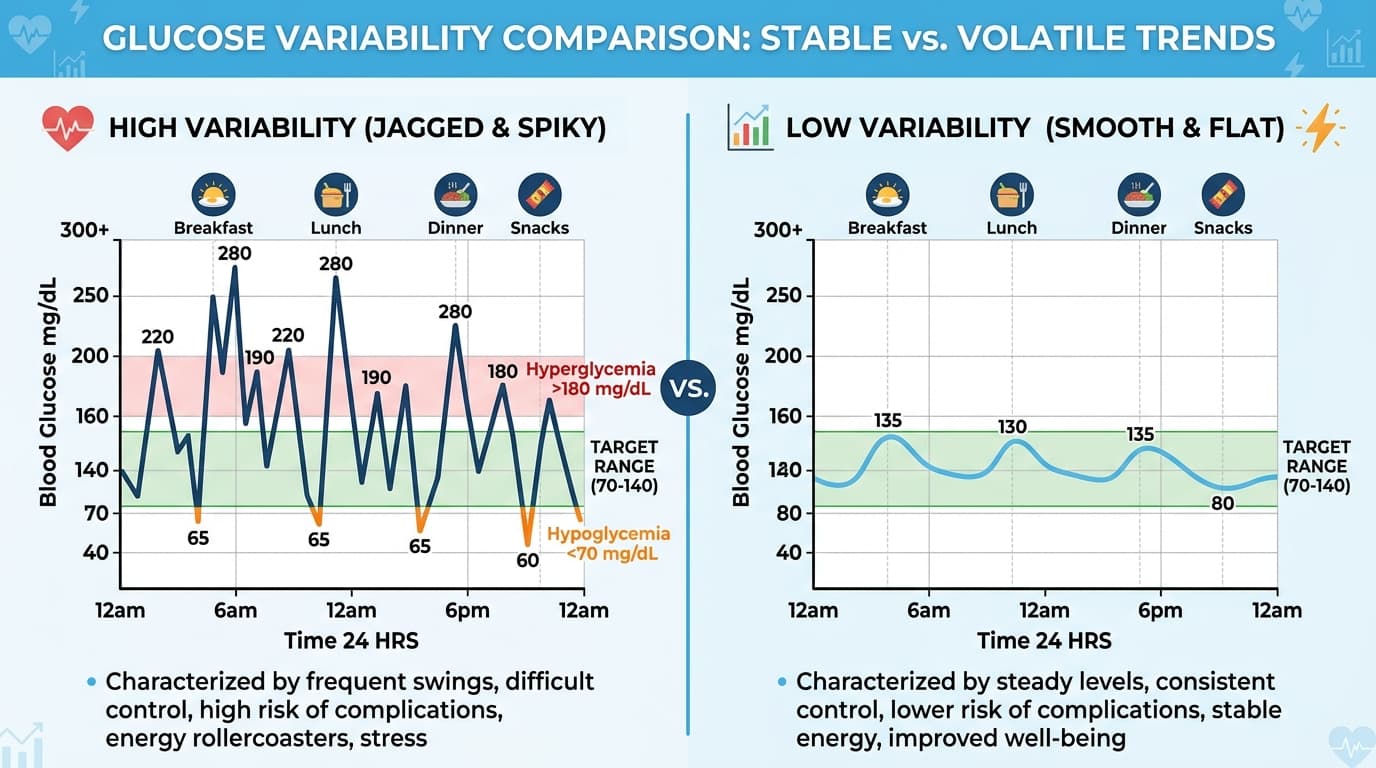
A metabolic condition in which the body's cells respond poorly to the hormone insulin, forcing the pancreas to produce progressively larger amounts to maintain normal blood glucose levels. Insulin resistance affects an estimated 40% of US adults aged 18 to 44 and is the primary driver of type 2 diabetes, metabolic syndrome, and nonalcoholic fatty liver disease. CGM data can reveal insulin resistance through patterns such as prolonged postprandial glucose elevation lasting more than 3 hours, elevated fasting glucose, and high glycemic variability.
Why “Insulin Resistance” Matters for Glucose Monitoring
Understanding insulin resistance is essential for anyone using or evaluating a continuous glucose monitor. This concept directly affects how CGM devices are designed, how glucose data is interpreted, and how clinical decisions about blood sugar management are made. Medical terms related to glucose physiology help patients and clinicians communicate effectively about blood sugar patterns, treatment goals, and the clinical significance of CGM data.
This term is particularly relevant to 2 CGM products in our database. Understanding insulin resistance helps you compare devices more effectively and choose the right continuous glucose monitor for your specific needs.
Related Terms
Hemoglobin A1C is a blood test that measures the percentage of hemoglobin proteins coated with sugar, reflecting average blood glucose levels over the previous 2 to 3 months.
The magnitude and frequency of blood glucose fluctuations over a defined period.
Blood glucose levels measured after eating, typically peaking 60 to 90 minutes after a meal and returning to baseline within 2 to 3 hours in healthy individuals.
Abnormally high blood glucose, generally defined as levels above 180 mg/dL after meals or above 130 mg/dL fasting.