
Hyperglycemia
Definition
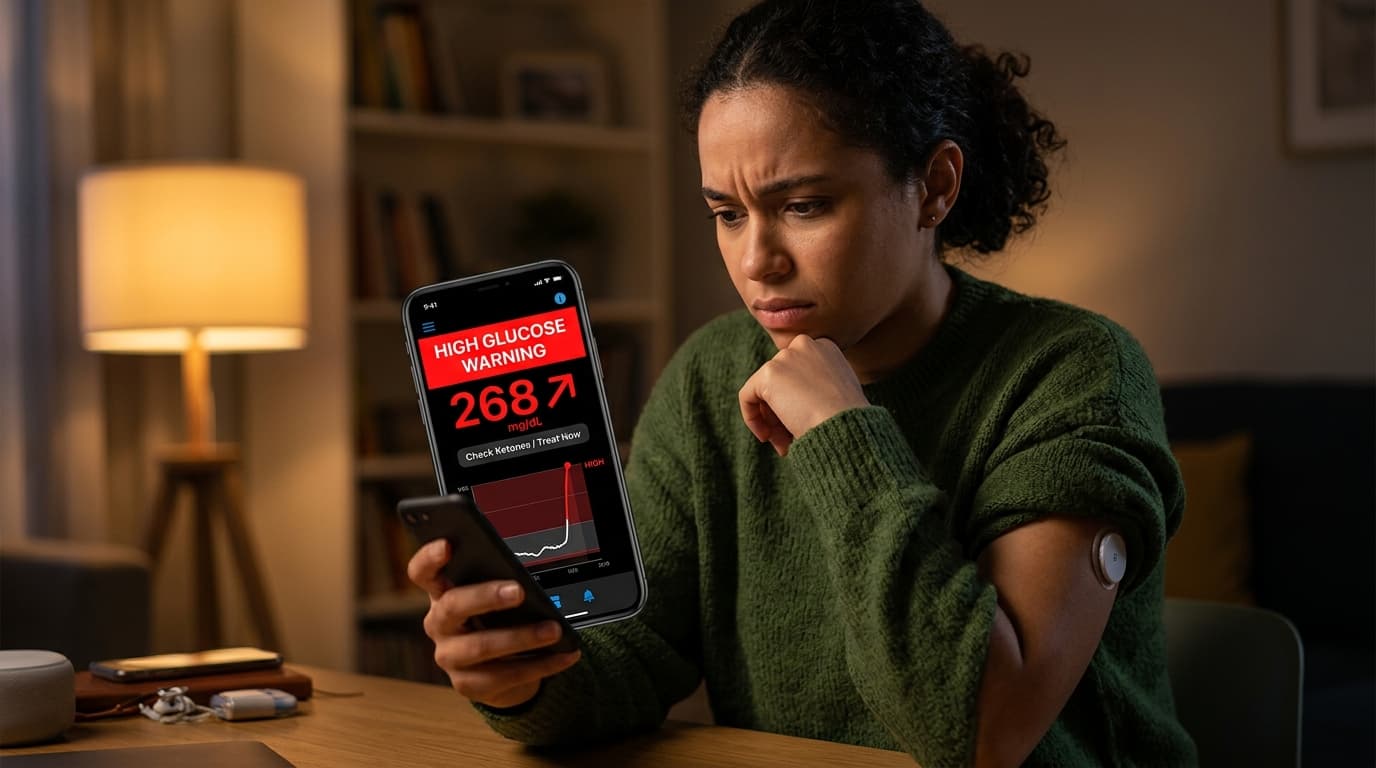
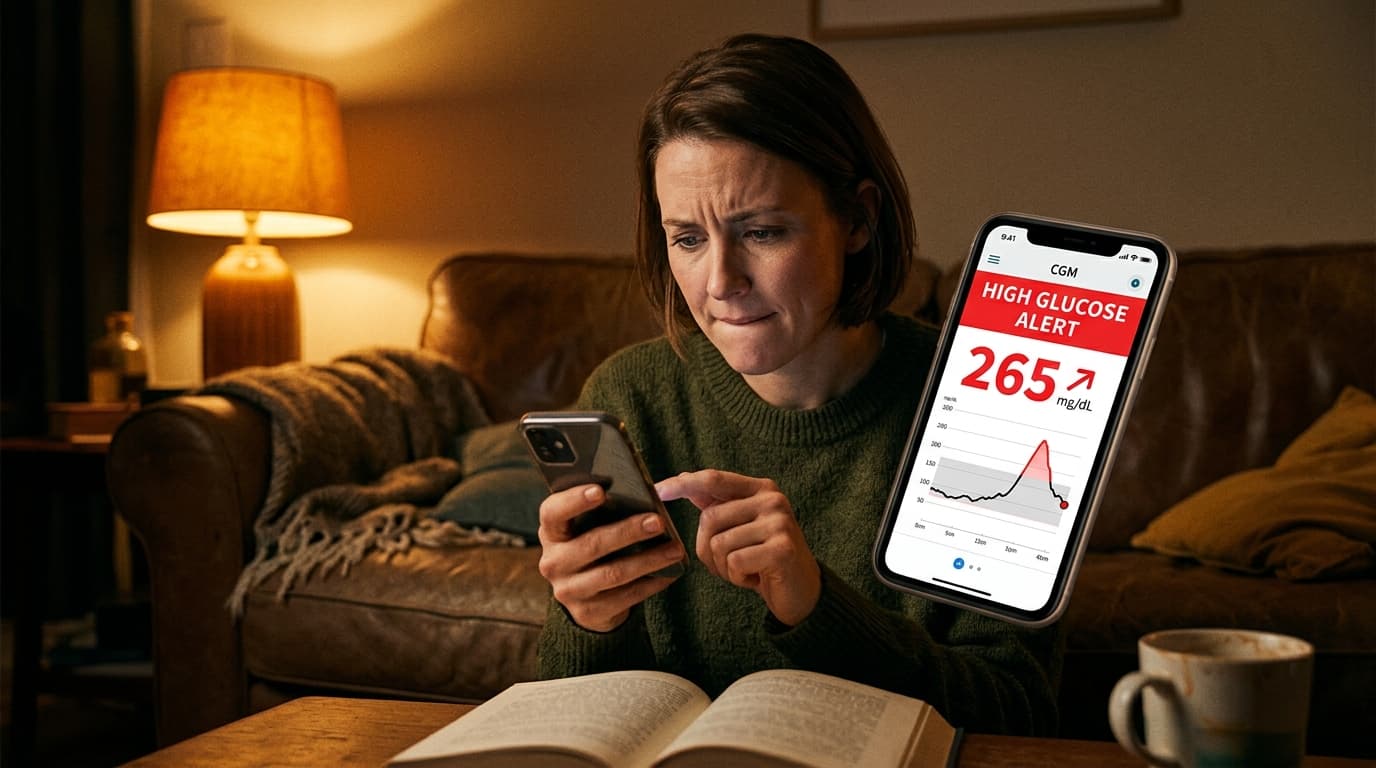
Abnormally high blood glucose, generally defined as levels above 180 mg/dL after meals or above 130 mg/dL fasting. Common causes include insufficient insulin, illness, emotional stress, excess carbohydrate intake, and certain medications like corticosteroids. CGMs provide real-time high glucose alerts that allow users to take corrective action — such as administering insulin or going for a walk — before levels climb to dangerous thresholds above 250 mg/dL.
Why “Hyperglycemia” Matters for Glucose Monitoring
Understanding hyperglycemia is essential for anyone using or evaluating a continuous glucose monitor. This concept directly affects how CGM devices are designed, how glucose data is interpreted, and how clinical decisions about blood sugar management are made. Medical terms related to glucose physiology help patients and clinicians communicate effectively about blood sugar patterns, treatment goals, and the clinical significance of CGM data.
This term is particularly relevant to 2 CGM products in our database. Understanding hyperglycemia helps you compare devices more effectively and choose the right continuous glucose monitor for your specific needs.
Related Terms
Dangerously low blood glucose, generally defined as levels below 70 mg/dL, with severe hypoglycemia occurring below 54 mg/dL.
The percentage of time a person's glucose level remains within a defined target range, typically 70 to 180 mg/dL for most people with diabetes.
Hemoglobin A1C is a blood test that measures the percentage of hemoglobin proteins coated with sugar, reflecting average blood glucose levels over the previous 2 to 3 months.
Blood glucose levels measured after eating, typically peaking 60 to 90 minutes after a meal and returning to baseline within 2 to 3 hours in healthy individuals.
The magnitude and frequency of blood glucose fluctuations over a defined period.