
Dawn Phenomenon
Definition
A natural rise in blood glucose that occurs between approximately 3:00 AM and 8:00 AM, triggered by the body's circadian release of cortisol, growth hormone, and other counter-regulatory hormones that stimulate hepatic glucose production. The dawn phenomenon affects up to 50% of people with diabetes and can raise fasting glucose by 20 to 40 mg/dL. CGMs make the dawn phenomenon clearly visible on overnight glucose graphs, helping clinicians adjust basal insulin timing or medication dosing to address early-morning highs.
Why “Dawn Phenomenon” Matters for Glucose Monitoring
Understanding dawn phenomenon is essential for anyone using or evaluating a continuous glucose monitor. This concept directly affects how CGM devices are designed, how glucose data is interpreted, and how clinical decisions about blood sugar management are made. Medical terms related to glucose physiology help patients and clinicians communicate effectively about blood sugar patterns, treatment goals, and the clinical significance of CGM data.
This term is particularly relevant to 2 CGM products in our database. Understanding dawn phenomenon helps you compare devices more effectively and choose the right continuous glucose monitor for your specific needs.
Related Terms
Abnormally high blood glucose, generally defined as levels above 180 mg/dL after meals or above 130 mg/dL fasting.
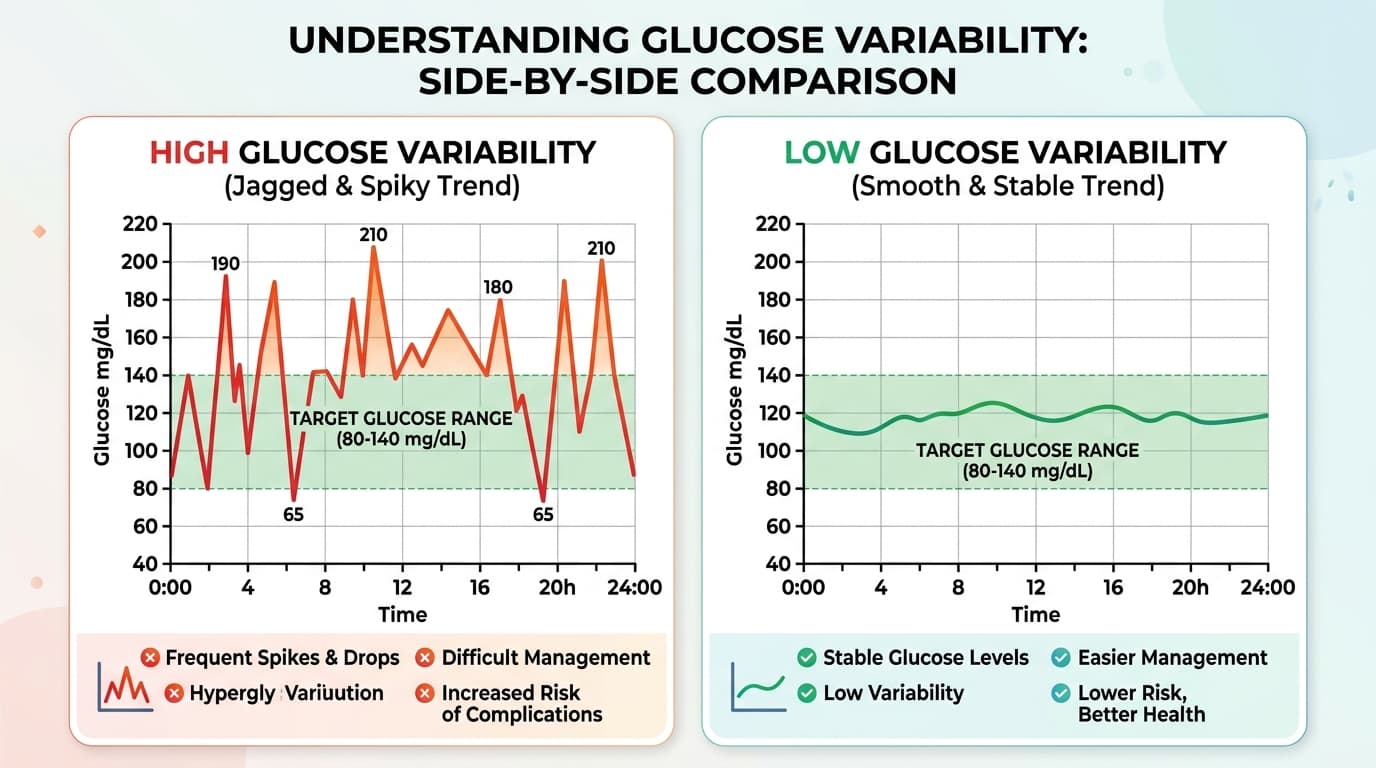
The magnitude and frequency of blood glucose fluctuations over a defined period.
A standardized one-page glucose report recommended by the International Diabetes Center that summarizes 14 days of CGM data into a visual profile showing median glucose, interquartile range (25th to 75th percentile), and 10th to 90th percentile bands across a 24-hour period.