
A1C(HbA1c)
Definition
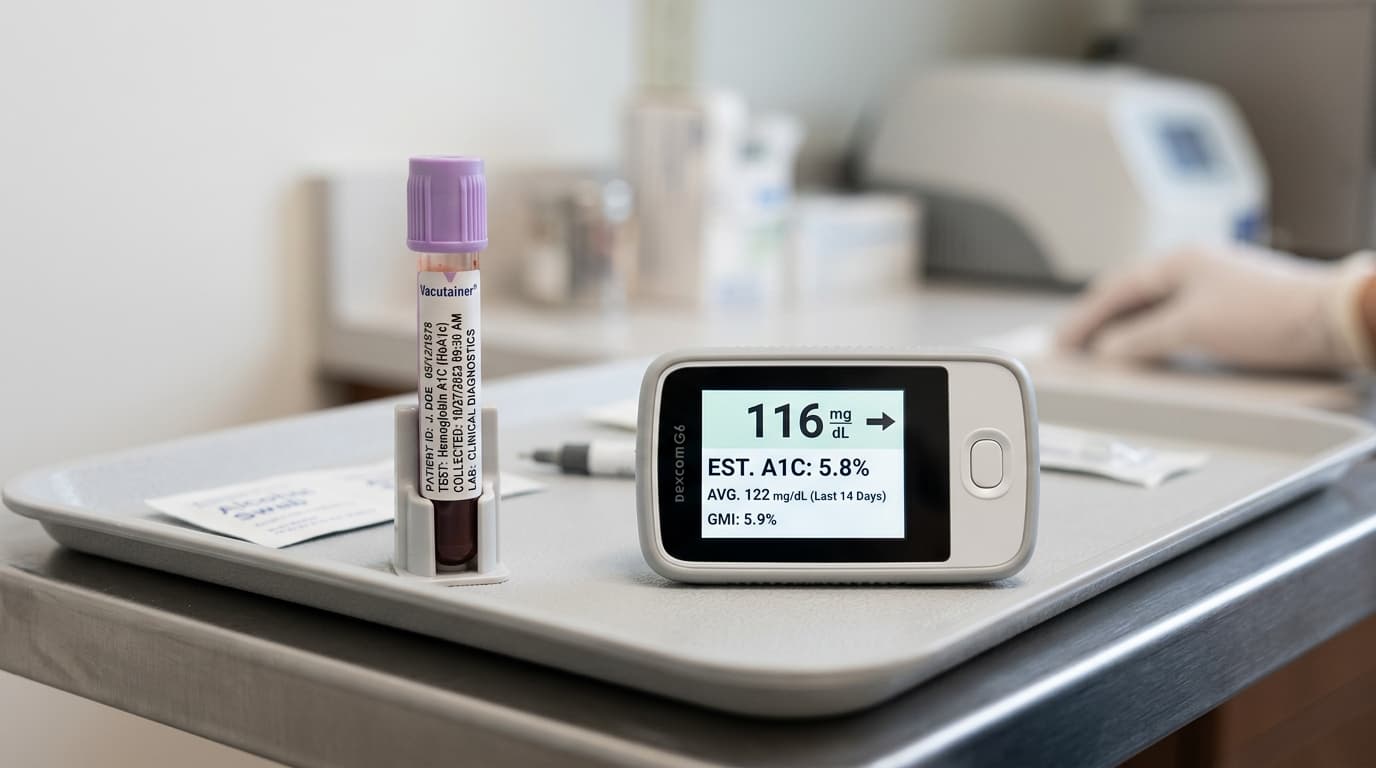
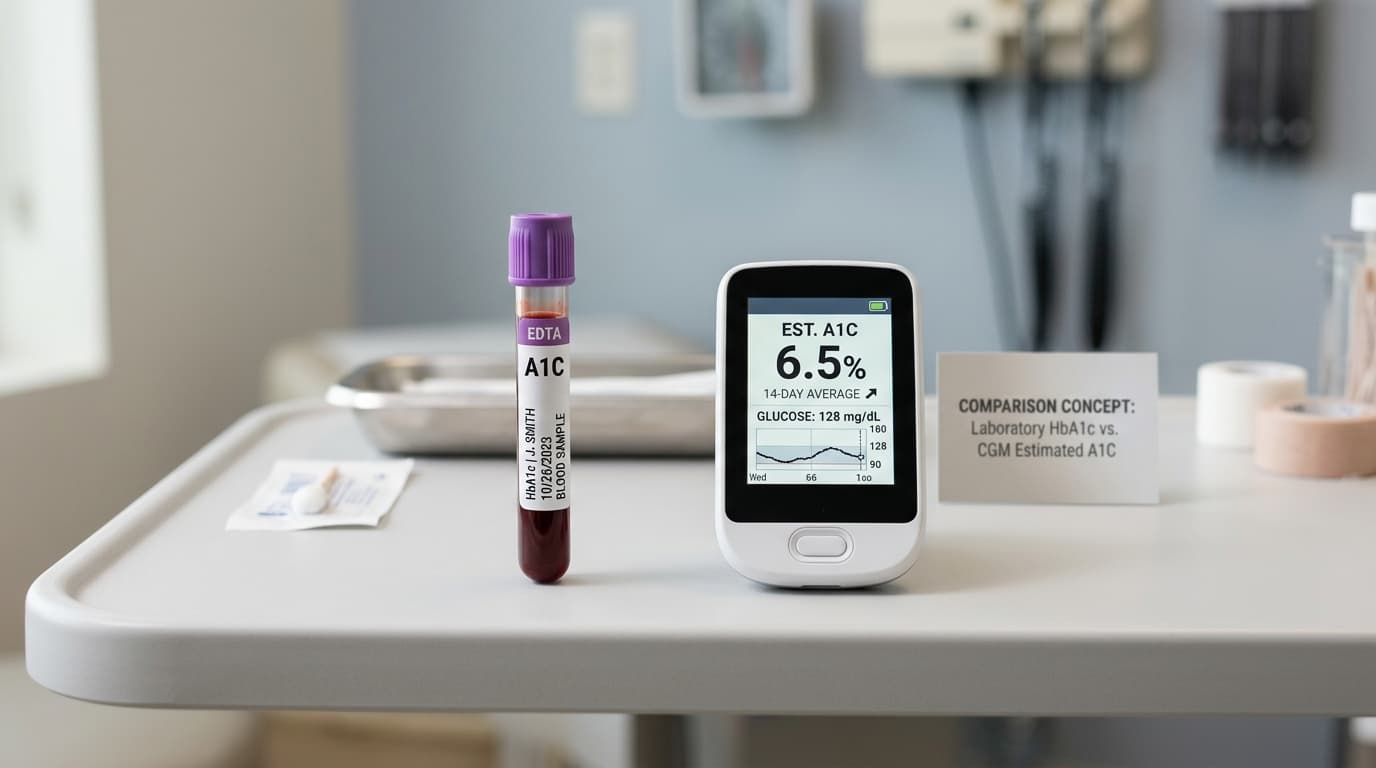
Hemoglobin A1C is a blood test that measures the percentage of hemoglobin proteins coated with sugar, reflecting average blood glucose levels over the previous 2 to 3 months. An A1C below 5.7% is considered normal, 5.7% to 6.4% indicates prediabetes, and 6.5% or higher confirms a diabetes diagnosis. CGM data can now estimate A1C through the Glucose Management Indicator (GMI), allowing patients to track their A1C-equivalent in real time without a blood draw.
Why “A1C” Matters for Glucose Monitoring
Understanding a1c is essential for anyone using or evaluating a continuous glucose monitor. This concept directly affects how CGM devices are designed, how glucose data is interpreted, and how clinical decisions about blood sugar management are made. Medical terms related to glucose physiology help patients and clinicians communicate effectively about blood sugar patterns, treatment goals, and the clinical significance of CGM data.
This term applies broadly across all continuous glucose monitors and is foundational knowledge for interpreting CGM data, whether you are managing diabetes or using a sensor for metabolic wellness.
Related Terms
An estimated A1C value calculated from CGM mean glucose data, allowing users to track their A1C-equivalent in real time without requiring a laboratory blood draw.
The percentage of time a person's glucose level remains within a defined target range, typically 70 to 180 mg/dL for most people with diabetes.
Abnormally high blood glucose, generally defined as levels above 180 mg/dL after meals or above 130 mg/dL fasting.
Dangerously low blood glucose, generally defined as levels below 70 mg/dL, with severe hypoglycemia occurring below 54 mg/dL.