
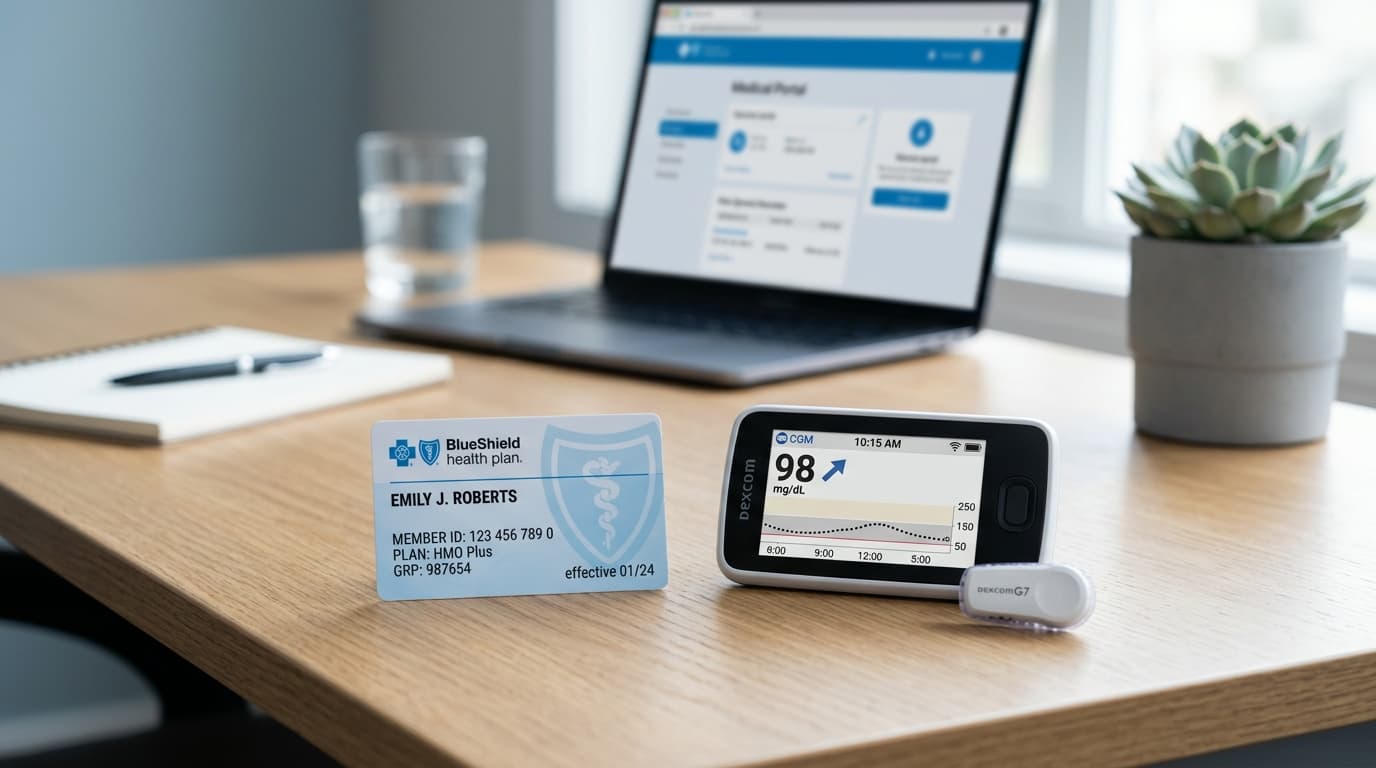
CGM Insurance Coverage Guide: What Is Covered in 2026?
How Insurance Coverage Works for CGMs
Insurance coverage for continuous glucose monitors falls into 2 benefit categories: pharmacy benefit and durable medical equipment (DME) benefit. Under the pharmacy benefit, CGM sensors are processed at a retail pharmacy just like a prescription medication, with standard copay tiers applying. Under the DME benefit, sensors and supplies are ordered through a contracted medical supply company and shipped to the patient. The benefit category affects your out-of-pocket cost — pharmacy copays are typically $15 to $75 per month, while DME copays depend on your plan deductible and coinsurance percentage. Your insurance plan determines which benefit pathway applies, and your physician office can help navigate the prior authorization process.
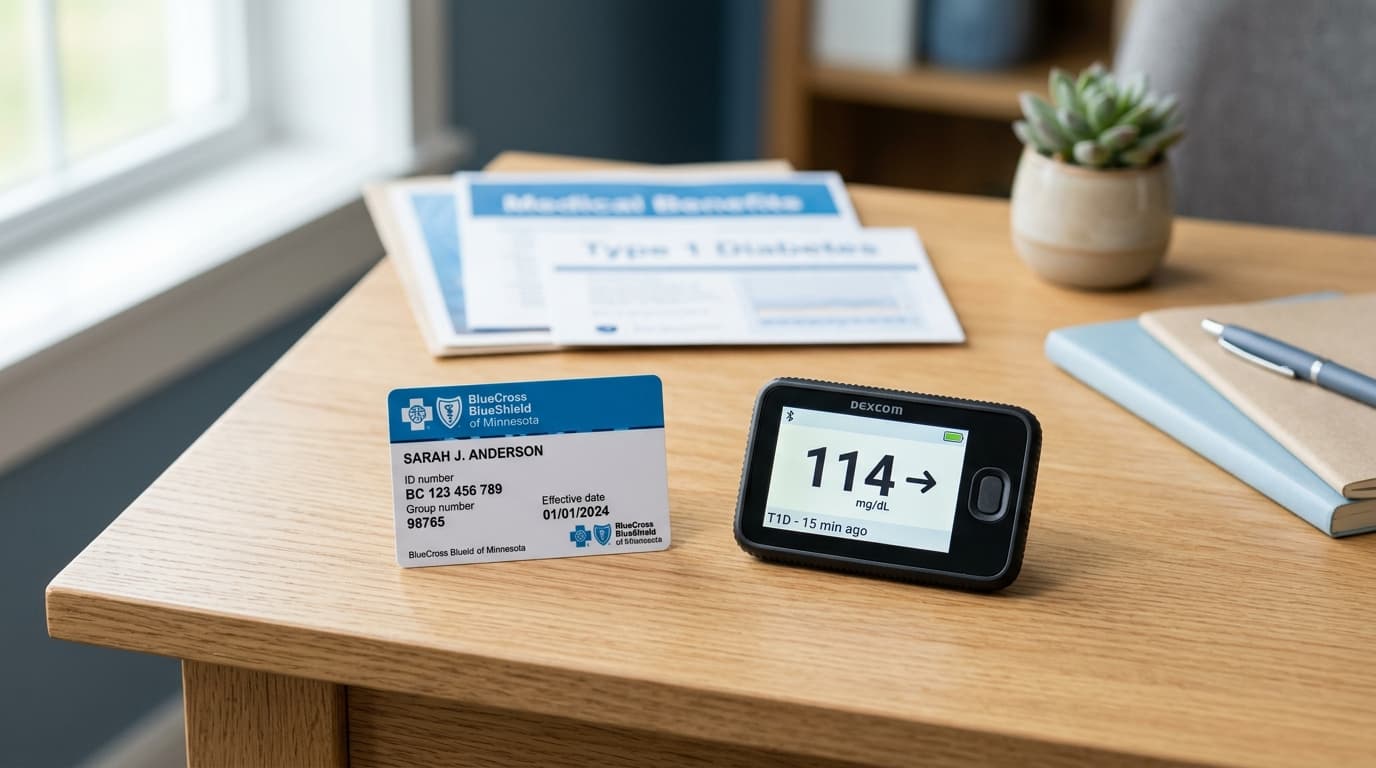
Which Insurance Plans Cover CGMs?
Most commercial insurance plans (employer-sponsored and ACA marketplace plans) cover CGMs for patients with type 1 diabetes and insulin-treated type 2 diabetes. Coverage has expanded significantly since 2020, when the American Diabetes Association strengthened its recommendation for CGM use in all patients on intensive insulin therapy. Plans from major carriers including UnitedHealthcare, Anthem Blue Cross, Aetna, Cigna, and Humana generally cover the Dexcom G7 and FreeStyle Libre 3 Plus with prior authorization. Coverage for non-insulin type 2 diabetes is less consistent — approximately 40% of commercial plans now cover CGMs for T2D patients with A1C above 8% or documented hypoglycemic episodes.
Prior Authorization Requirements
Most insurance plans require prior authorization before approving CGM coverage. The prior authorization process typically requires: a documented diabetes diagnosis (ICD-10 code E10.x for T1D or E11.x for T2D), evidence of insulin therapy or clinical need for continuous monitoring, a prescription from the treating physician, and in some cases, recent A1C lab results demonstrating suboptimal glycemic control. Prior authorization approvals are typically valid for 6 to 12 months and must be renewed. Your endocrinologist or primary care physician office usually handles the submission. If coverage is denied, patients have the right to appeal — and CGM appeal success rates exceed 60% when medical necessity documentation is thorough.
HSA and FSA Eligibility
CGM devices and sensors are eligible expenses under Health Savings Accounts (HSA) and Flexible Spending Accounts (FSA) when prescribed by a physician. Over-the-counter CGMs like the Dexcom Stelo and Abbott Lingo may also qualify as HSA/FSA eligible purchases, though eligibility varies by plan administrator. Using pre-tax HSA or FSA funds effectively reduces the cost of a CGM by 20 to 35%, depending on your tax bracket. Some employer wellness programs additionally reimburse CGM purchases as part of preventive health incentives.
How to Appeal a CGM Insurance Denial
Insurance denials for CGM coverage are common, particularly for type 2 diabetes patients not on insulin. The appeal process involves 3 steps: (1) request the specific denial reason code from your insurer, (2) have your prescribing physician submit a letter of medical necessity documenting your clinical need for continuous glucose data — citing A1C levels, hypoglycemia history, or glucose variability that fingerstick monitoring cannot capture, and (3) include supporting clinical evidence such as the 2024 ADA Standards of Care which recommend CGM consideration for all insulin-treated patients. First-level appeals succeed approximately 40-60% of the time when accompanied by physician documentation.