
Dexcom G7 Review: Accuracy, Cost, and Wear Time
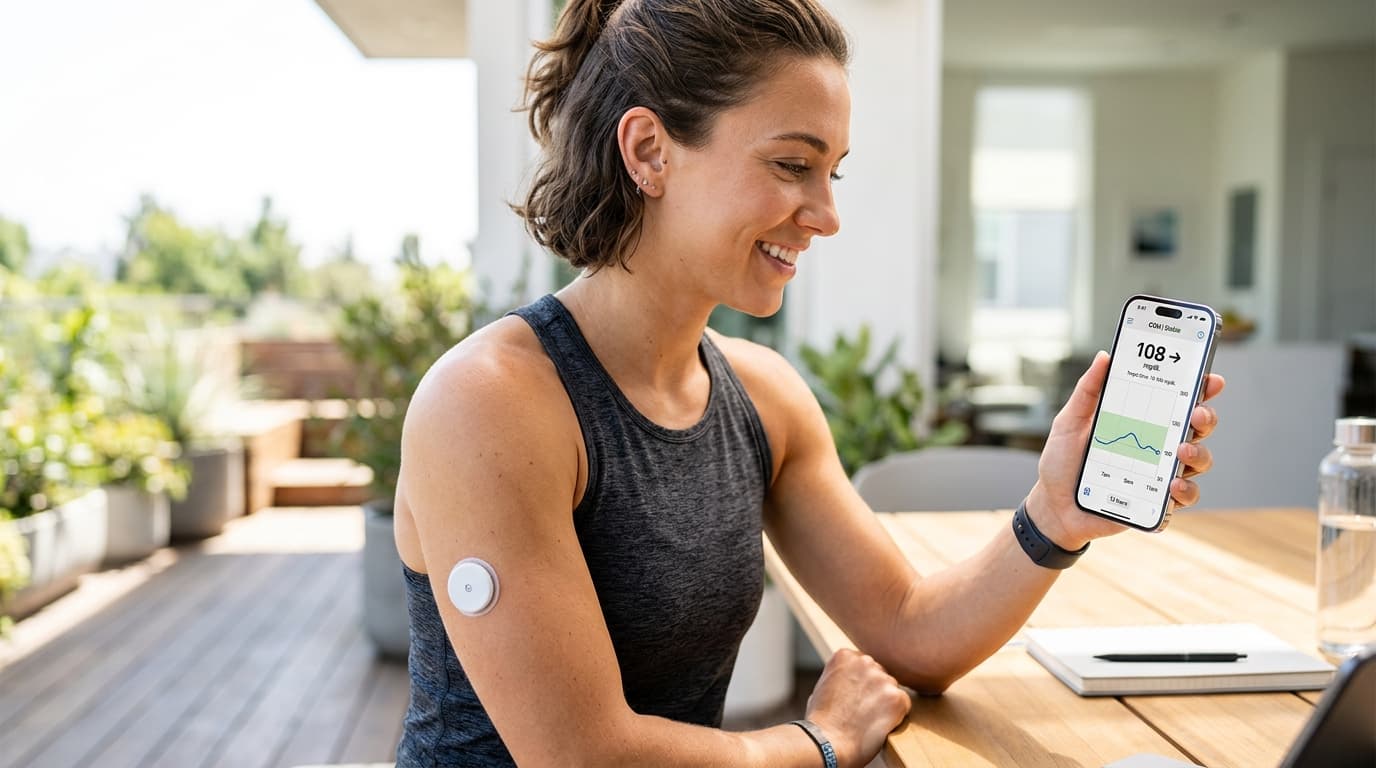
The Dexcom G7 is a 10-day real-time cgm continuous glucose monitor with a 8.2% MARD accuracy rating and a GlucoseIntel score of 4.8/5.0. The Dexcom G7 is a 10-day real-time continuous glucose monitor with an 8.2% MARD, 30-minute warmup, and integrated transmitter. FDA-cleared for ages 2 and up, it sends glucose readings every 5 minutes to the Dexcom G7 app and is compatible with the Omnipod 5, Tandem t:slim X2, and Tandem Mobi insulin pump systems for automated insulin delivery.
As a prescription CGM, the Dexcom G7 is FDA-cleared for diabetes management and requires a doctor's order. Insurance coverage is widely available for qualifying patients, bringing the monthly cost to $20–$40 per month. Without insurance, the out-of-pocket cost is $250–$350 per month. Medicare Part B covers the Dexcom G7 for patients who meet eligibility criteria, including documented insulin use and a valid prescription from their treating physician.
Released in 2023 by Dexcom, Inc. (San Diego, California), the Dexcom G7 uses electrochemical (glucose oxidase) technology to measure glucose in interstitial fluid. It is factory-calibrated and requires no fingerstick confirmations during use. The warmup period after sensor insertion is 30 minutes, one of the fastest in the CGM market.
Dexcom G7
by Dexcom
Key Specifications
| Product | MARD | Wear Time | Type | Rx? | With Insurance | Without Insurance | Medicare | Rating |
|---|---|---|---|---|---|---|---|---|
| Dexcom G7 | 8.2% | 10 days | Real time CGM | Yes | $20–$40 per month | $250–$350 per month | ✓ | 4.8 |
Sensor Type
Electrochemical (glucose oxidase)
Water Resistance
IP68 — waterproof up to 2.4 meters for 24 hours
Age Approval
2 years and older
Transmitter Life
Integrated into sensor (no separate transmitter)
How Accurate Is the Dexcom G7?
The Dexcom G7 has a Mean Absolute Relative Difference (MARD) of 8.2%, which measures the average percentage error between CGM readings and simultaneous laboratory blood glucose measurements. A lower MARD indicates higher accuracy. For context, the most accurate consumer CGM in 2026 is the FreeStyle Libre 3 Plus at 7.9% MARD, while the industry range spans from 7.9% to approximately 9.2% among FDA-cleared devices.
At 8.2% MARD, the Dexcom G7 is among the most accurate continuous glucose monitors available. This level of accuracy is sufficient for non-adjunctive use, meaning the device can be used as the sole basis for insulin dosing decisions without requiring confirmatory fingerstick tests. Clinical studies have shown that CGMs with a MARD below 9% produce insulin dosing errors comparable to the inherent variability of fingerstick meters themselves.
Accuracy is highest during stable glucose periods and lowest during rapid rates of change — such as the first 60 to 90 minutes after a high-carbohydrate meal or during intense physical exercise. The physiological lag between interstitial fluid glucose (where the sensor measures) and blood glucose (what a fingerstick shows) is typically 5 to 15 minutes. Learn more about how MARD is calculated and what it means for your daily monitoring on our MARD glossary page.
What Does the Dexcom G7 Cost?
With insurance, the Dexcom G7 costs $20–$40 per month. Without insurance, the price is $250–$350 per month. Medicare Part B covers the Dexcom G7 for qualifying patients with diabetes who use insulin. Medicare copays typically range from $0 to $50 per month depending on the specific plan and supplemental coverage.
The annual cost of the Dexcom G7 depends on sensor replacement frequency. With a 10-day sensor life, users need approximately 37 sensors per year. This moderate sensor life balances replacement frequency and cost for most users.
For a complete breakdown of CGM costs across all devices, including manufacturer discount programs and patient assistance options, see our comprehensive CGM cost guide.
Sensor Wear Time: 10 Days
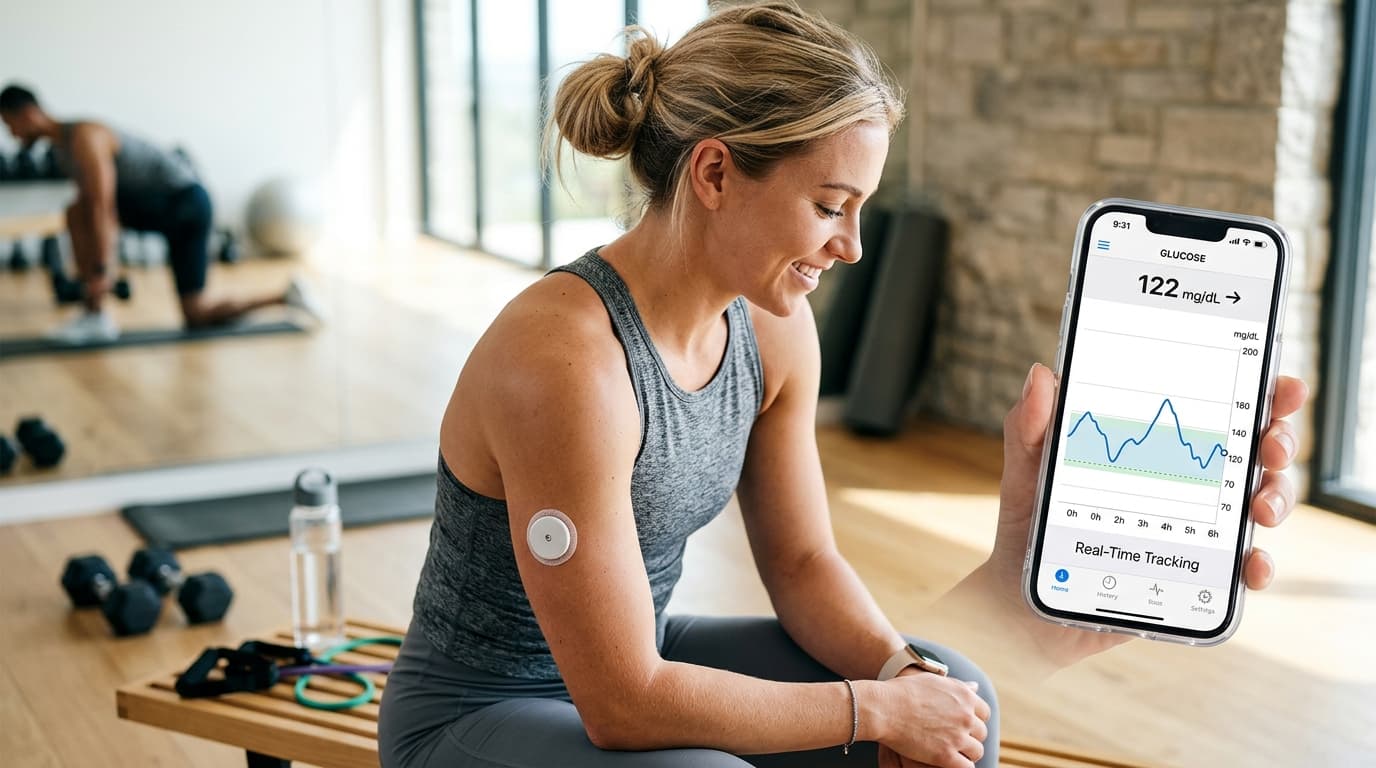
The Dexcom G7 sensor lasts 10 days before requiring replacement. The 10-day wear time means approximately 37 sensor changes per year. This is shorter than the 14 to 15-day sensors from Abbott and the 15-day Dexcom G7 variant, resulting in more frequent insertions and potentially higher annual sensor costs.
The 30-minute warmup is the fastest in the CGM market, minimizing the data gap between sensor changes. This is particularly valuable for patients who depend on continuous glucose data for insulin dosing or overnight monitoring.
App and Data Sharing
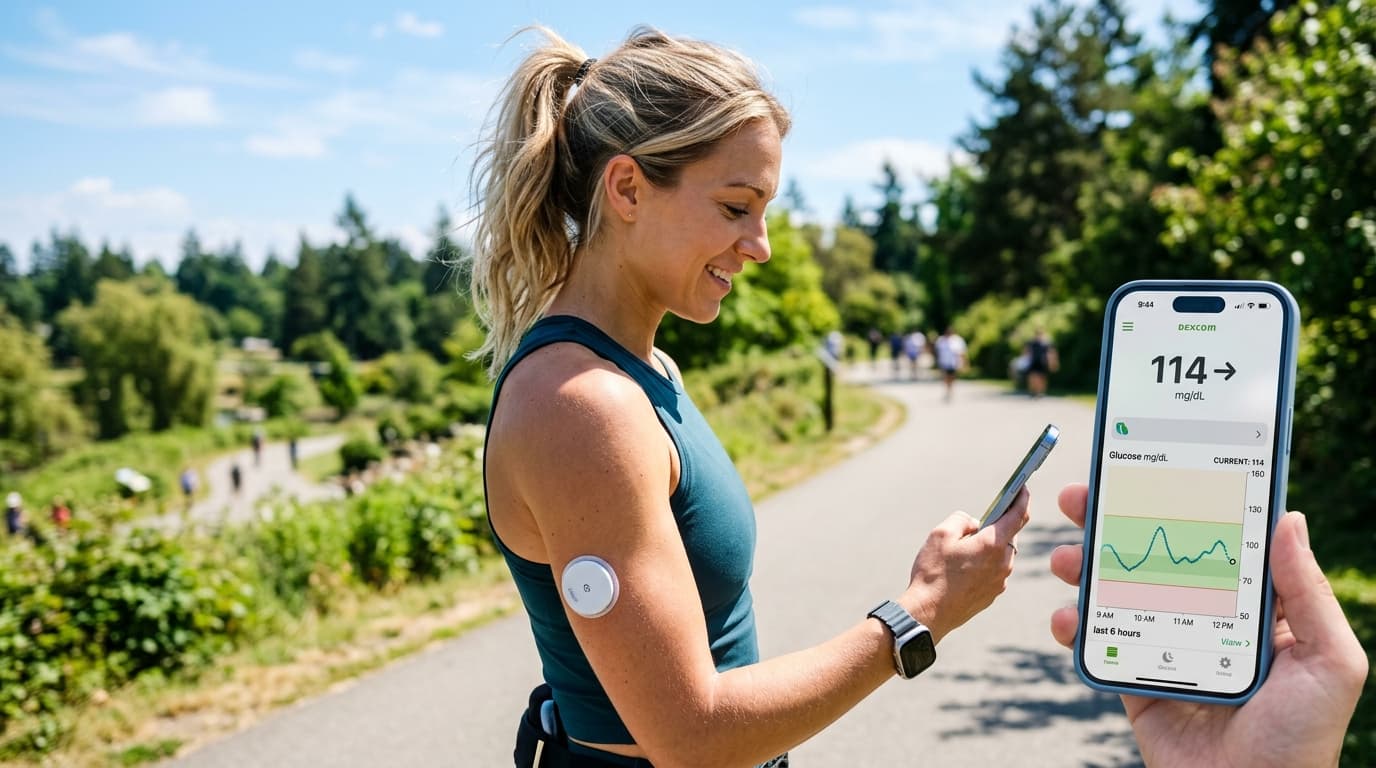
The Dexcom G7 pairs with a dedicated smartphone app that displays real-time glucose values, trend arrows, and historical data. The device supports data sharing with caregivers, family members, and healthcare providers, allowing remote monitoring of glucose levels and alerts. Customizable high and low glucose alerts notify users when blood sugar moves outside their target range, and trend-based notifications provide advance warning of rising or falling glucose.
The Dexcom G7 is compatible with Omnipod 5, Tandem t:slim X2, Tandem Mobi insulin pumps for automated insulin delivery (closed-loop) systems. When paired with a compatible pump, the CGM continuously feeds glucose data to the pump's algorithm, which automatically adjusts basal insulin delivery to keep glucose in the target range. This integration reduces the manual burden of insulin management and has been shown in clinical trials to increase time in range by 10 to 15 percentage points compared to manual pump therapy.
Pros and Cons
Pros
- Industry-leading 30-minute warmup time
- Smallest Dexcom sensor to date — 60% smaller than G6
- Fully integrated transmitter eliminates separate component
- Compatible with 3 major insulin pump systems for closed-loop control
- Real-time glucose readings every 5 minutes with customizable alerts
- Clarity app provides detailed glucose trend reports and AGP data
- Medicare Part B coverage for qualifying patients
Cons
- Only 10-day wear time — shorter than FreeStyle Libre 3 Plus (15 days)
- Requires prescription — not available over the counter
- Higher uninsured cost ($250–$350/mo) compared to FreeStyle Libre line
- Adhesive may cause skin irritation in some users
- Occasional signal loss during first 24 hours of wear
Who Should Use the Dexcom G7?
The Dexcom G7 is best suited for patients with type 1 diabetes, insulin-dependent type 2 diabetes, or any condition requiring tight glucose management with automated insulin delivery. Its integration with Omnipod 5 and Tandem t:slim X2 and Tandem Mobi makes it the CGM of choice for closed-loop pump users. Patients who prioritize fast sensor warmup (30 minutes) and real-time predictive alerts will find the Dexcom G7 aligns with their clinical needs.
How Does the Dexcom G7 Compare?
See how the Dexcom G7 stacks up against competing continuous glucose monitors in our head-to-head comparison guides. Each comparison evaluates accuracy, wear time, cost, features, and which device is better for specific use cases.
Dexcom G7
by Dexcom