
GlucoseIntel Blog: 26 Articles on CGM News, Research, and Guides
Stay informed with data-driven coverage of the continuous glucose monitor industry. From FDA approvals and new device launches to nutrition research and practical glucose management tips — every article is written to help you make better decisions about your blood sugar monitoring.

What 30 Days of CGM Data Taught Me About My Diet
A month-long CGM self-experiment reveals surprising blood sugar patterns from everyday meals, exercise, and sleep. Real data from 30 consecutive days of continuous glucose monitoring.
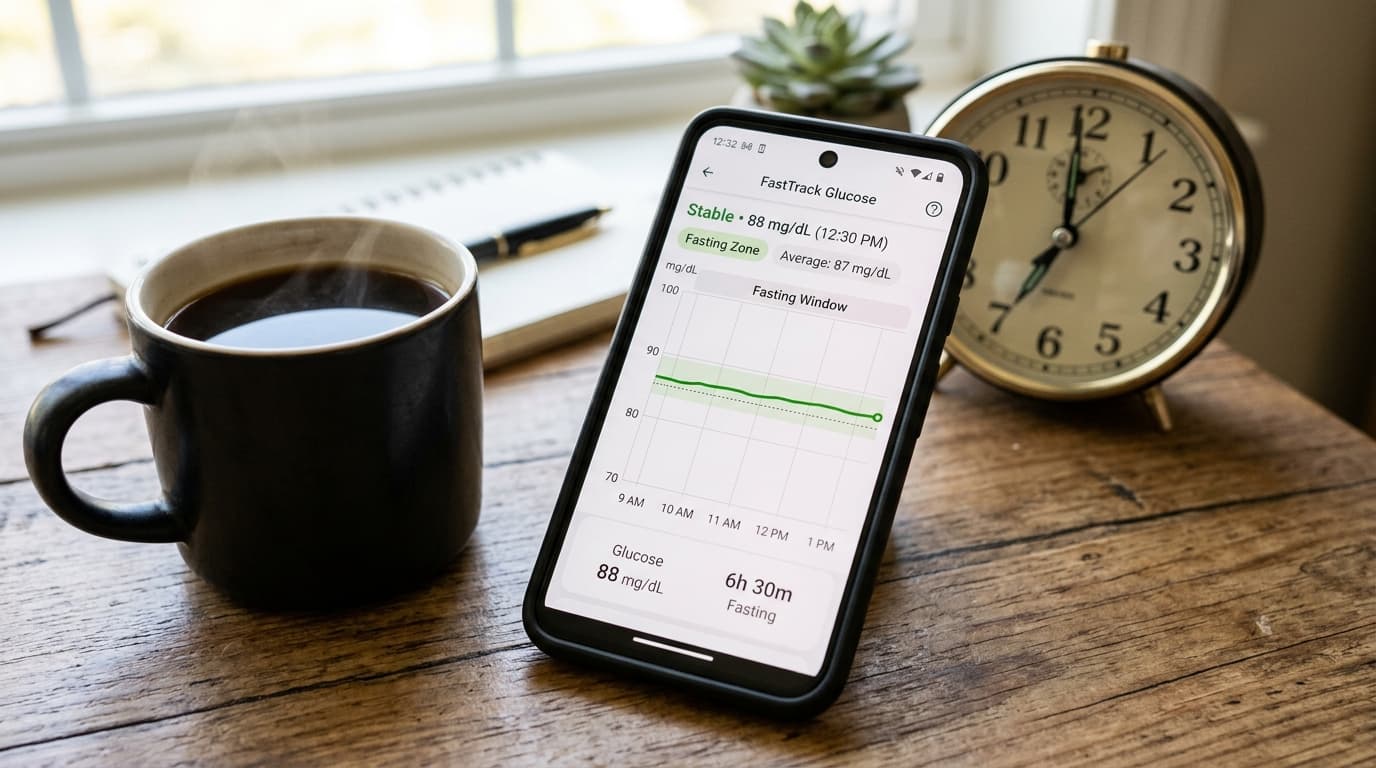
Blood Sugar Responses to 10 Popular Breakfasts: CGM Experiment
A controlled CGM experiment testing 10 common breakfasts—oatmeal, eggs, cereal, toast, yogurt, and more—reveals dramatic differences in blood sugar response. Real glucose data for every meal.
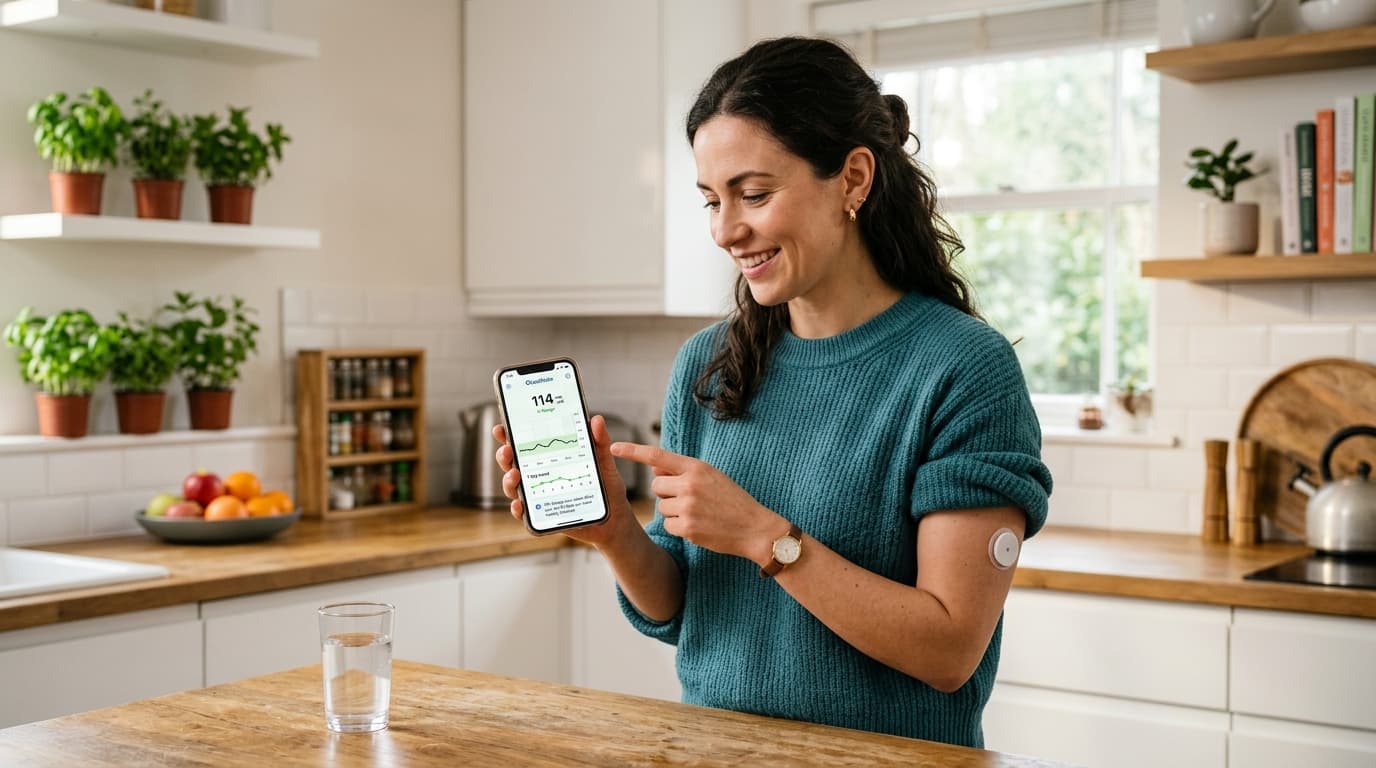
The Glucose Goddess Method: Does It Work? (CGM Analysis)
Jessie Inchauspé's Glucose Goddess method claims vinegar, food order, and movement hacks flatten blood sugar curves. We tested all 3 core hacks with a CGM sensor and measured the actual mg/dL differences.

How 1 Hour of Walking Changes Your Blood Sugar (CGM Data)
Walking is the simplest intervention for blood sugar control. CGM data shows exactly how 1 hour of walking at different times of day affects glucose levels, with mg/dL measurements before, during, and after.
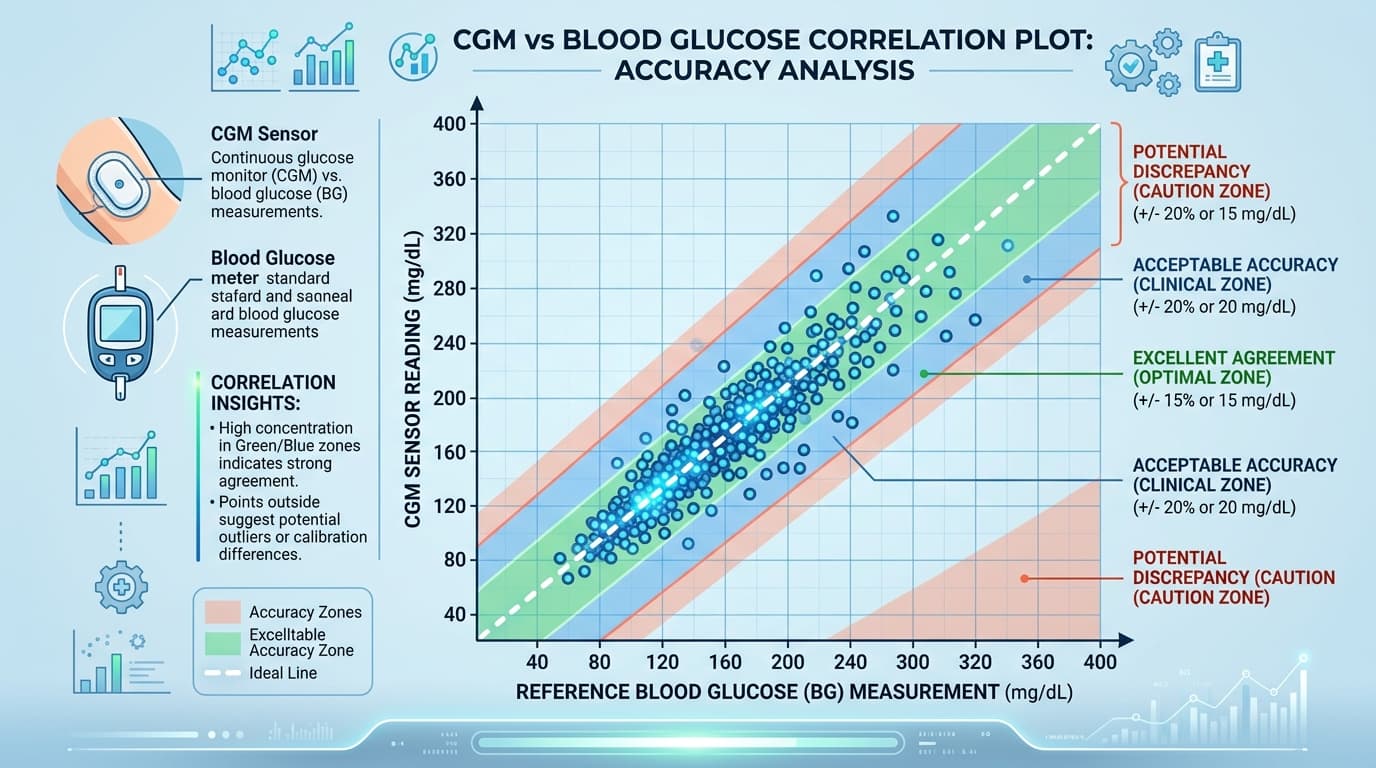
Why Two People Eating the Same Food Get Different Blood Sugar Spikes
The same slice of bread can spike one person to 160 mg/dL and barely move another. Research from the Weizmann Institute and Stanford explains why glucose responses are personal—and why CGMs reveal what blood tests miss.
Blood Sugar and Anxiety: The Glucose-Mental Health Connection
Glucose variability directly affects mood, anxiety, and cognitive function. Research shows that blood sugar swings trigger cortisol and adrenaline responses identical to anxiety attacks. CGM data reveals the connection.

Ozempic and CGM: Monitoring Blood Sugar on GLP-1 Medications
GLP-1 medications like Ozempic and Mounjaro dramatically alter glucose patterns. A CGM reveals exactly how semaglutide and tirzepatide change post-meal spikes, fasting glucose, and Time in Range week by week.

The Best Time to Exercise for Blood Sugar Control (CGM Study)
Morning versus evening exercise produces different blood sugar responses. CGM data and research reveal the optimal timing for glucose control, with specific mg/dL comparisons across workout schedules.
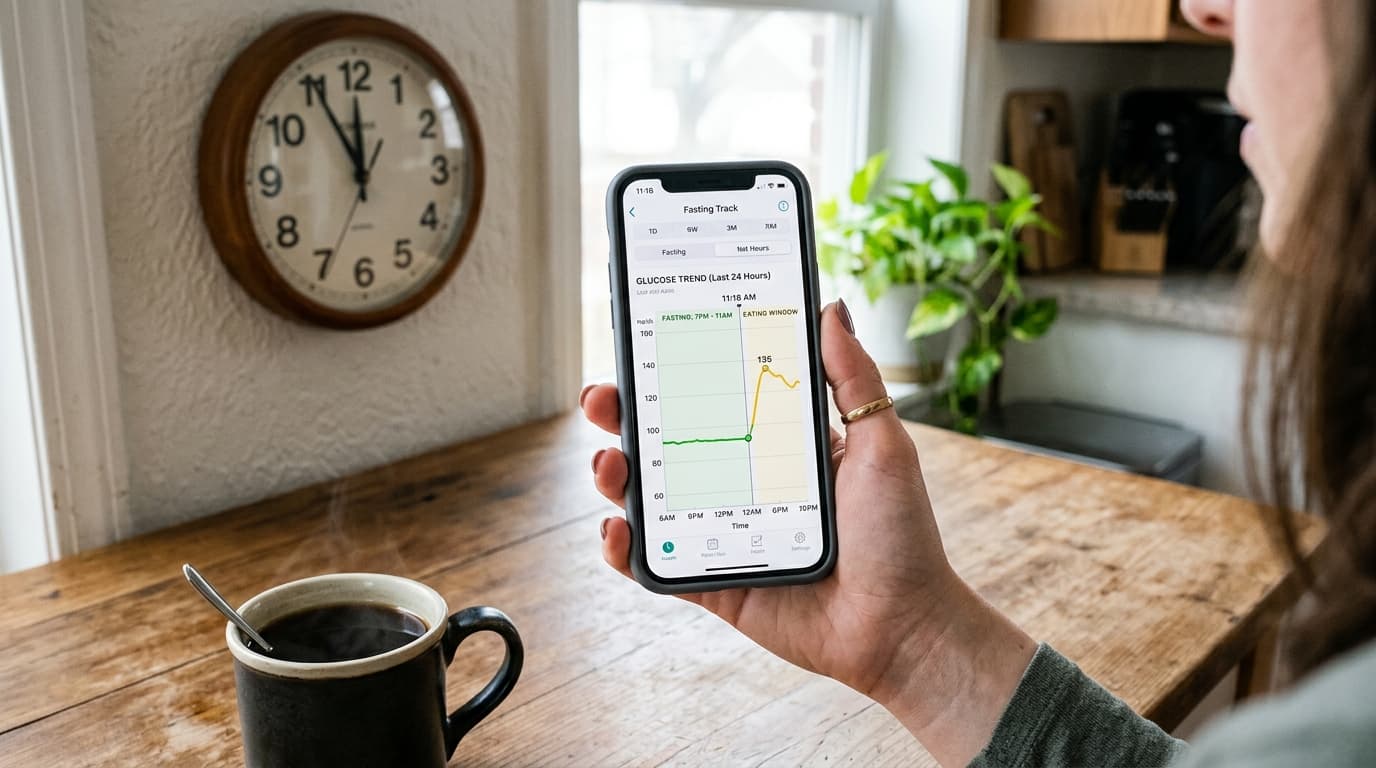
What Happens to Blood Sugar During a 24-Hour Fast (CGM Tracking)
A complete CGM timeline of a 24-hour fast: hour-by-hour glucose readings showing glycogen depletion, the dawn phenomenon during fasting, and what happens when you break the fast.
CGM Data in Clinical Trials: How Researchers Use Continuous Monitoring
Continuous glucose monitors have become essential endpoints in diabetes, obesity, and nutrition research. Learn how clinical trials use CGM data, what Time in Range and MARD mean for study design, and how this research shapes consumer CGM products.
Blood Sugar and Aging: Why Glucose Control Matters After 50
Insulin resistance increases with age, and glucose dysregulation accelerates after 50. Research shows that CGM-guided interventions in midlife reduce diabetes risk by 58 percent. Here is what changes and what to do about it.
How Alcohol Affects Blood Sugar: 8-Hour CGM Tracking Results
Wine, beer, and spirits produce surprisingly different blood sugar patterns on a CGM. This 8-hour tracking experiment shows exactly what happens to glucose from the first sip through the overnight window.
Is a CGM Worth It for Non-Diabetics? 6-Month Self-Experiment Review
After 6 months of continuous glucose monitoring without diabetes, here is an honest assessment of what a CGM reveals, what it costs, what changes it actually drove, and whether the data justifies the expense.
FDA Clears First Over-the-Counter CGMs: What It Means for Consumers
The FDA created a new over-the-counter CGM category in 2024, clearing Dexcom Stelo and Abbott Lingo for non-prescription use. Learn what this means for pricing, access, and the future of glucose monitoring.
Dexcom G7 15-Day Sensor: Extended Wear Finally Arrives
Dexcom launched the G7 15-Day sensor, cutting sensor changes in half while maintaining the same MARD accuracy. Here is how it compares to the standard G7 and Abbott Libre 3 Plus.

Can a CGM Help You Lose Weight? What the Research Says
Clinical evidence is growing that continuous glucose monitors can support weight loss through real-time awareness and behavior change. We review the studies, the Signos FDA clearance, and the caveats.

CGM for Athletes: How Professional Sports Teams Use Glucose Data
Endurance athletes and professional sports teams are adopting continuous glucose monitors to optimize fueling, prevent bonking, and accelerate recovery. Here is how they use the data.
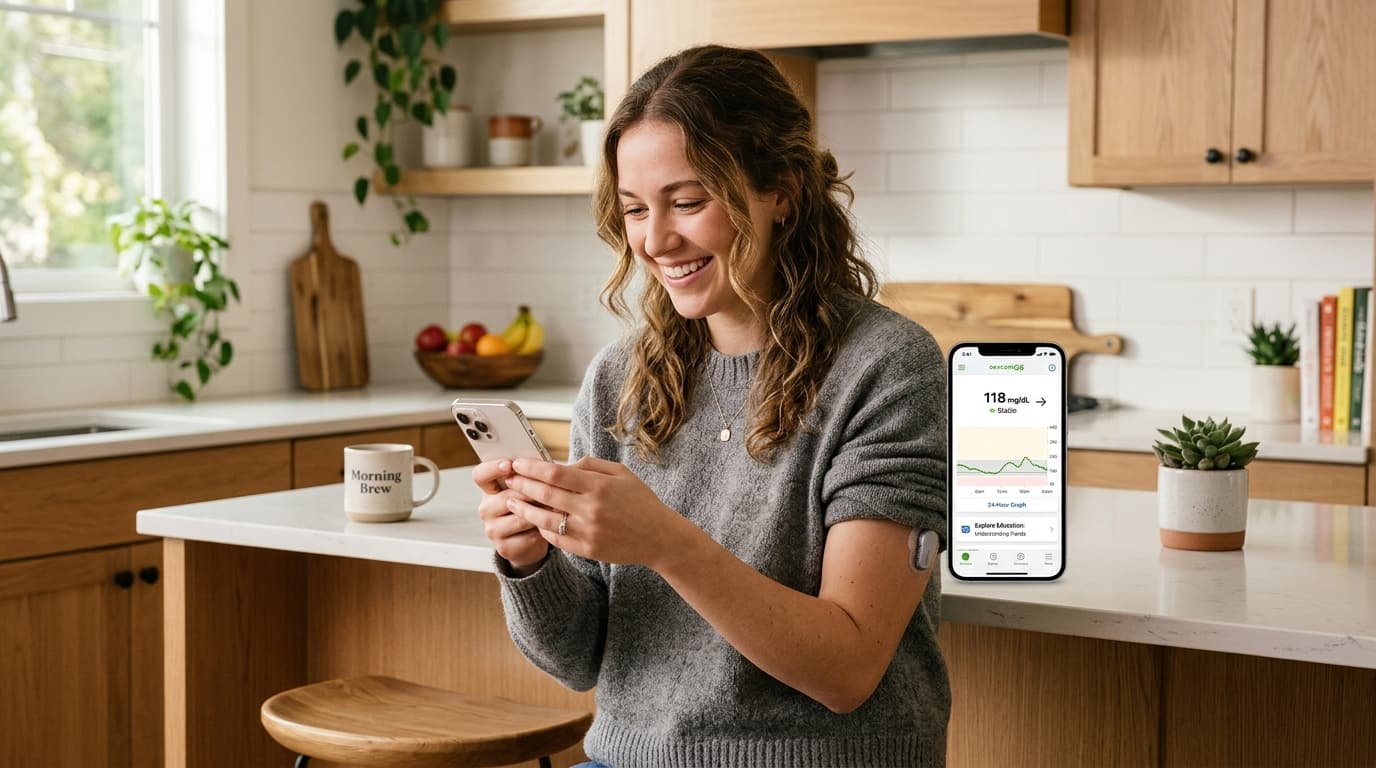
Understanding Your CGM Data: A Beginner's Guide to Glucose Reports
New to continuous glucose monitoring? This guide explains AGP reports, time in range, GMI, trend arrows, and how to interpret glucose graphs so you can get the most from your CGM sensor.
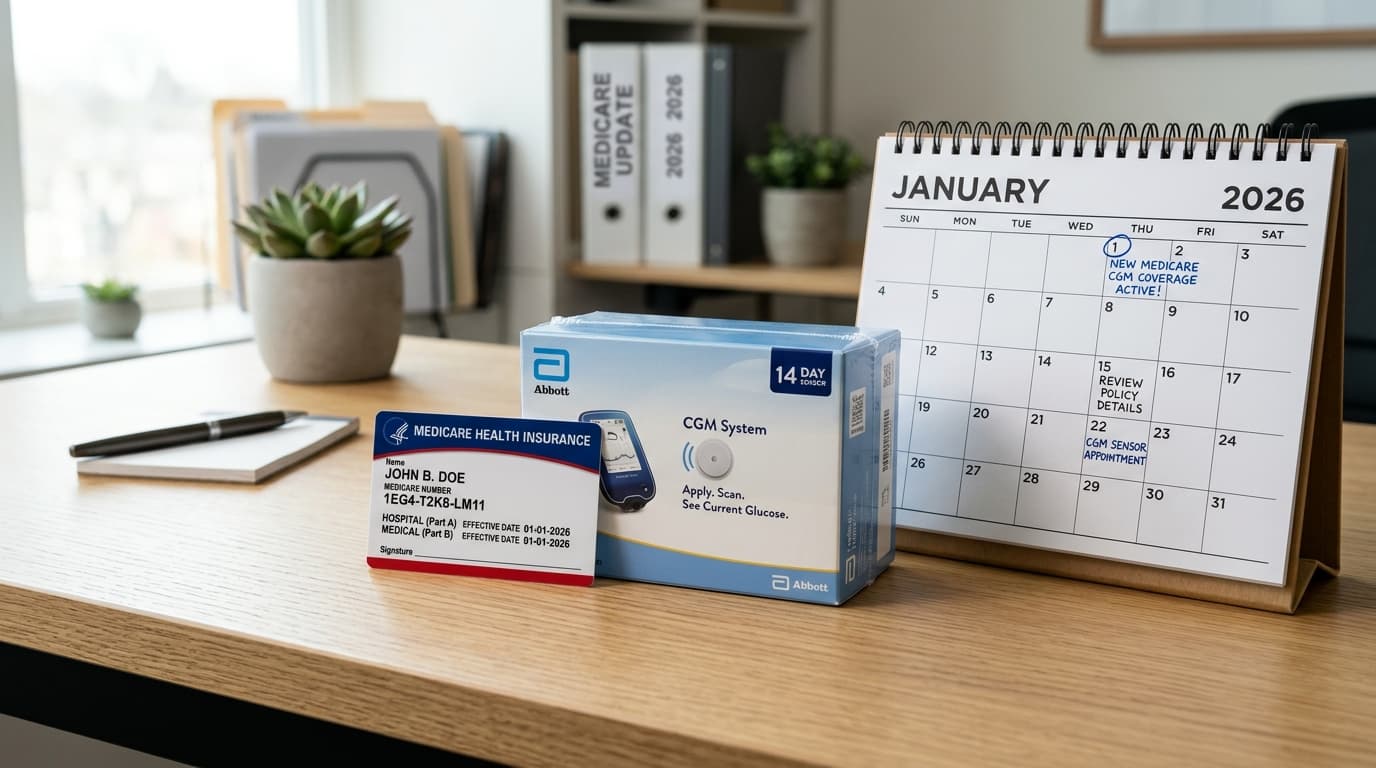
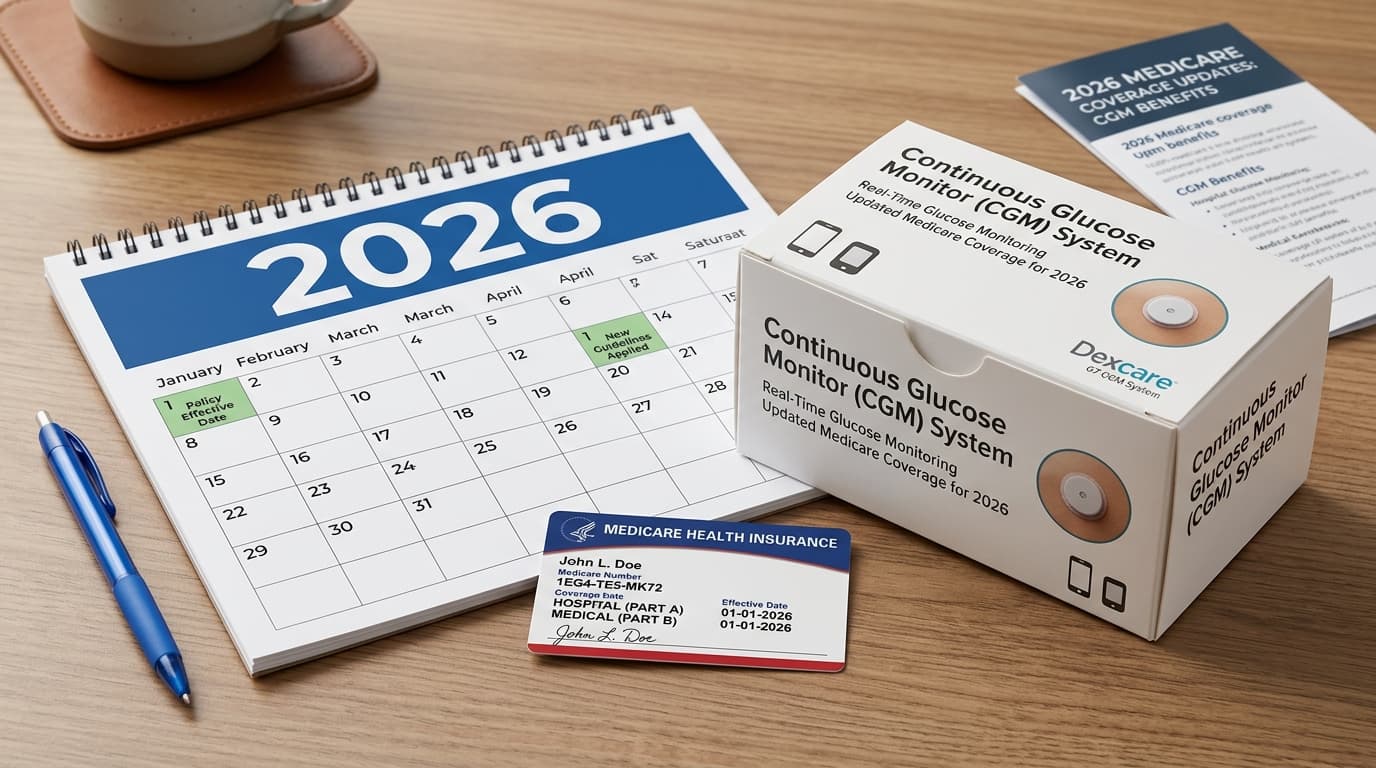
Medicare CGM Coverage in 2026: Complete Eligibility Guide
Medicare covers several continuous glucose monitors under Part B for qualifying beneficiaries. Learn the eligibility criteria, covered devices, cost sharing, and recent policy changes for 2026.
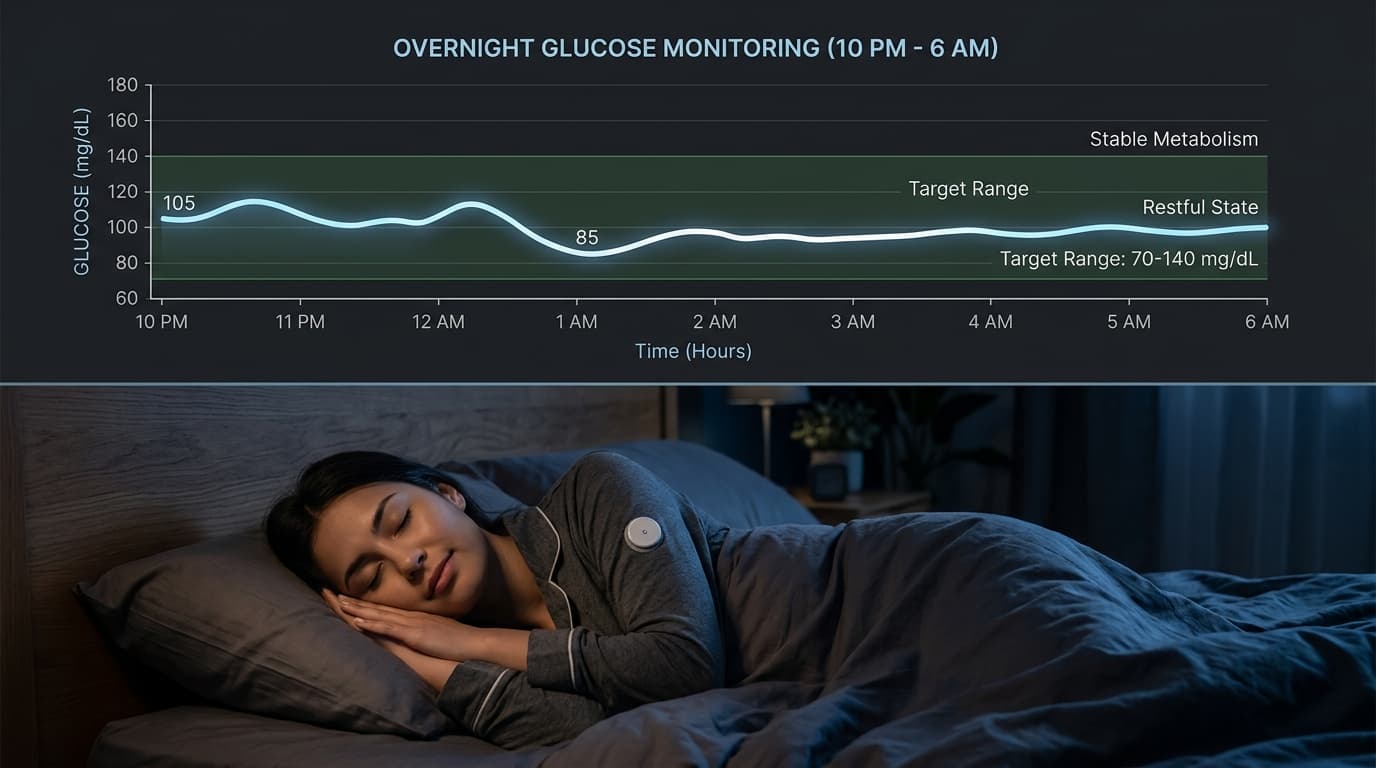
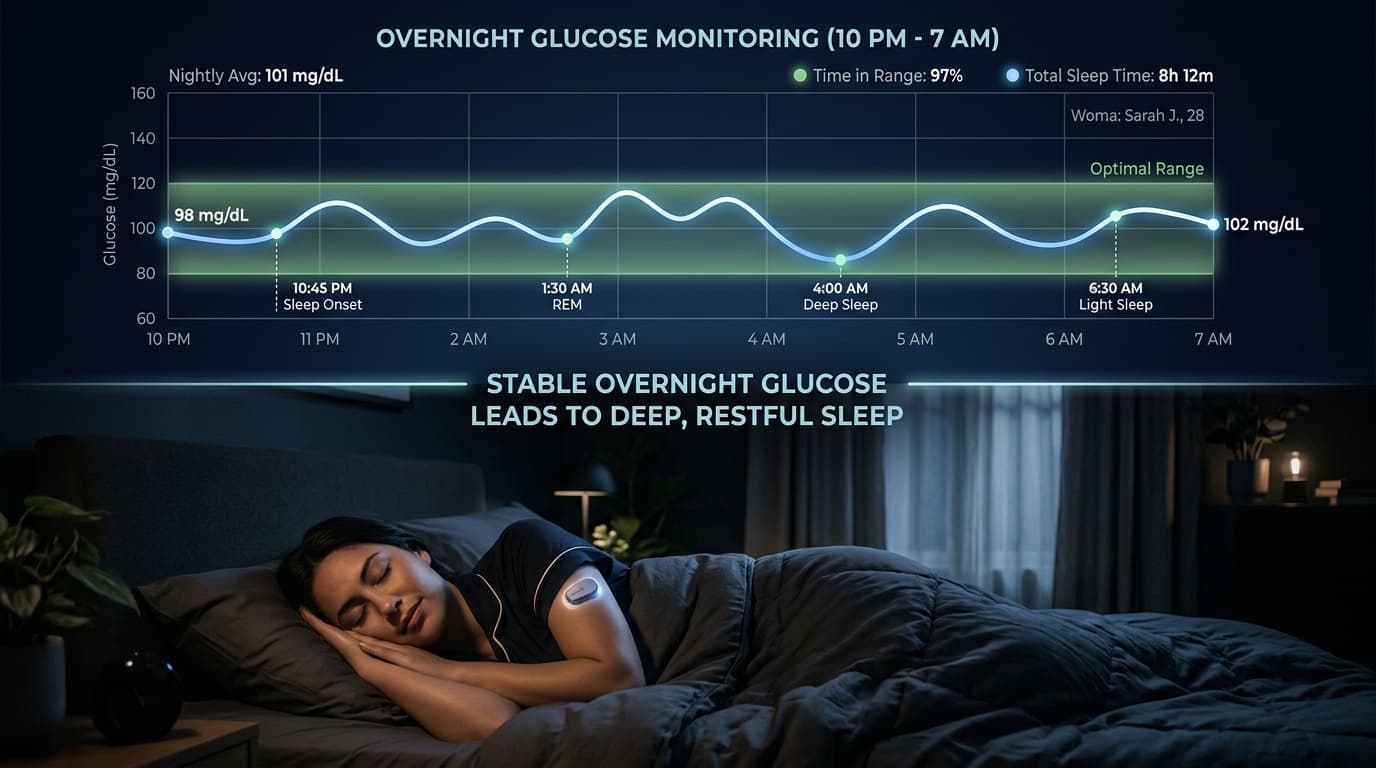
The Glucose-Sleep Connection: What Your CGM Reveals at Night
Glucose levels during sleep directly affect sleep quality, and poor sleep disrupts glucose regulation. Learn what your CGM data reveals about nocturnal patterns, dawn phenomenon, and late-night eating.
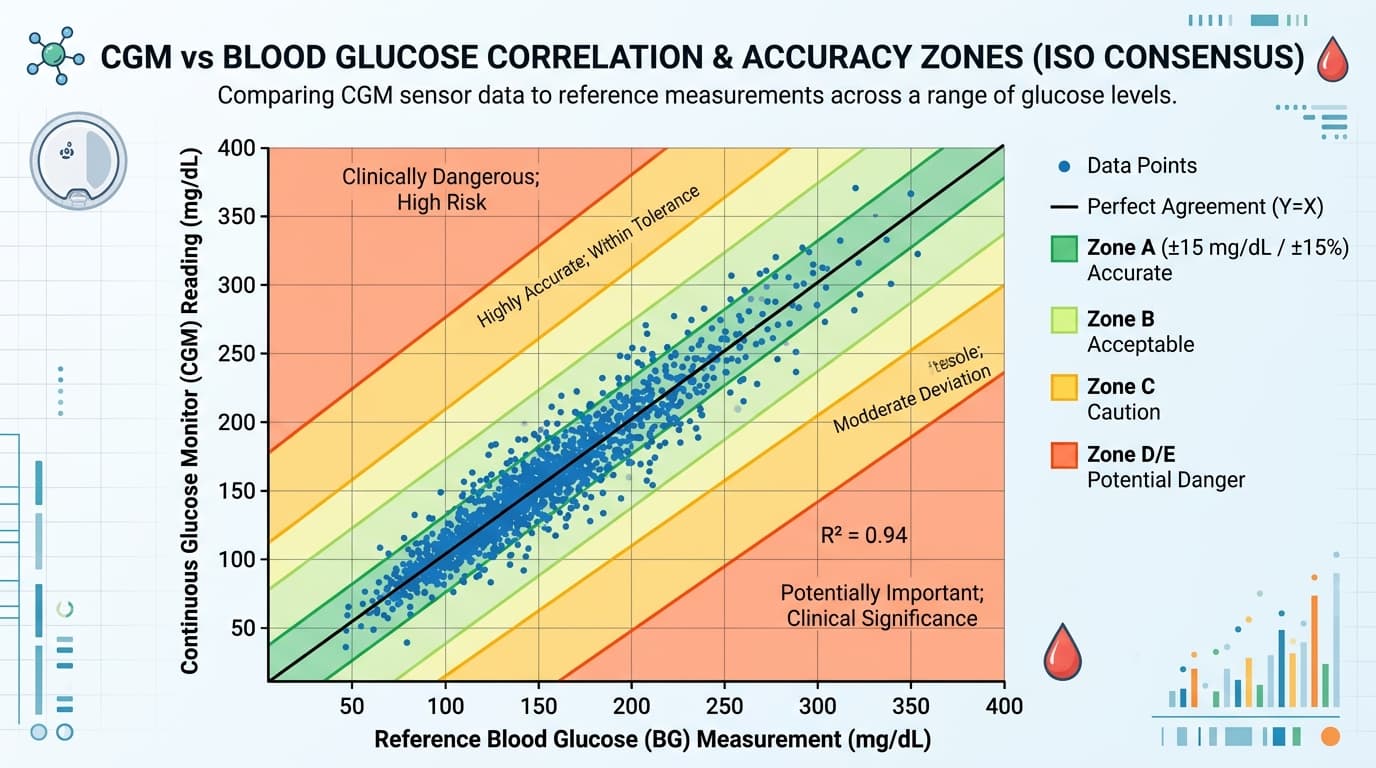
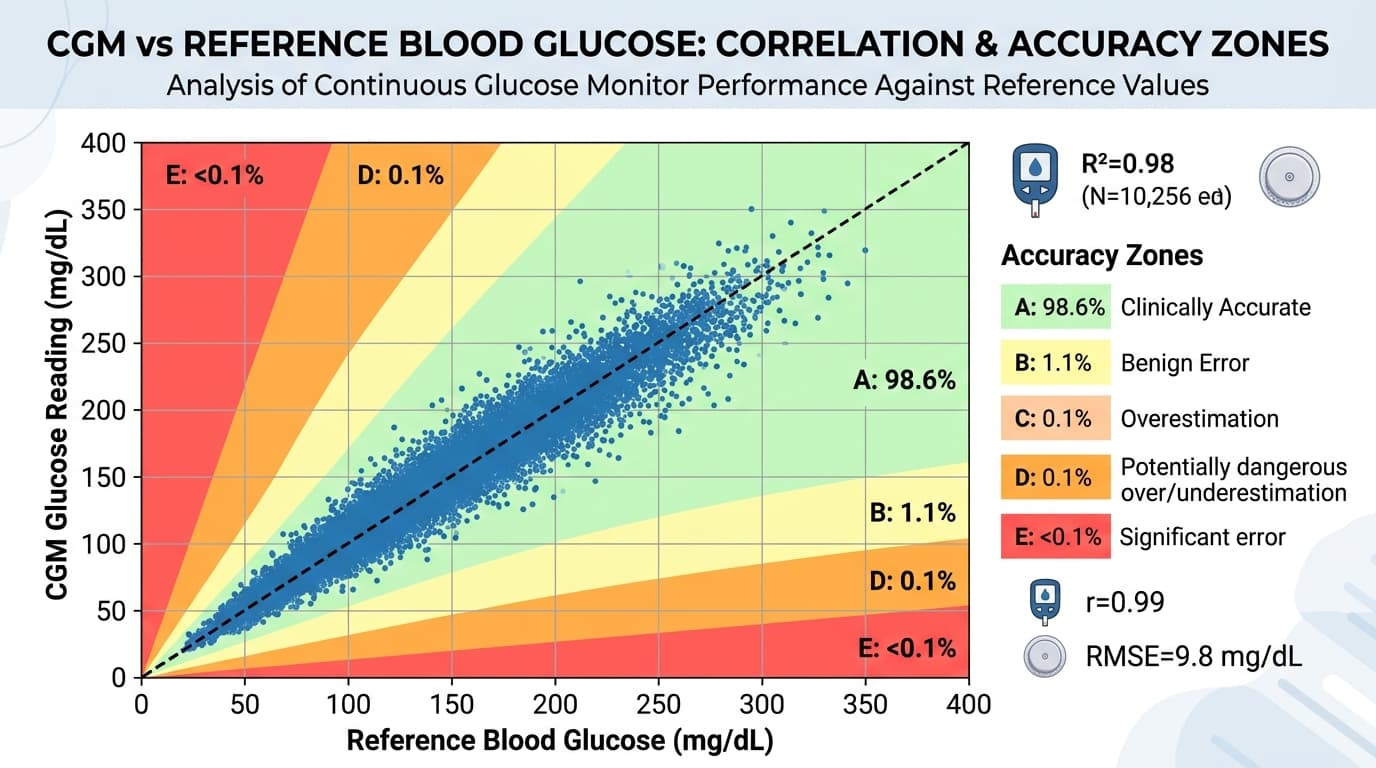
CGM Accuracy Explained: What MARD Really Means
MARD is the standard metric for CGM accuracy, but most consumers do not understand what it measures. This guide explains how MARD is calculated, what the numbers mean, and how to compare devices.
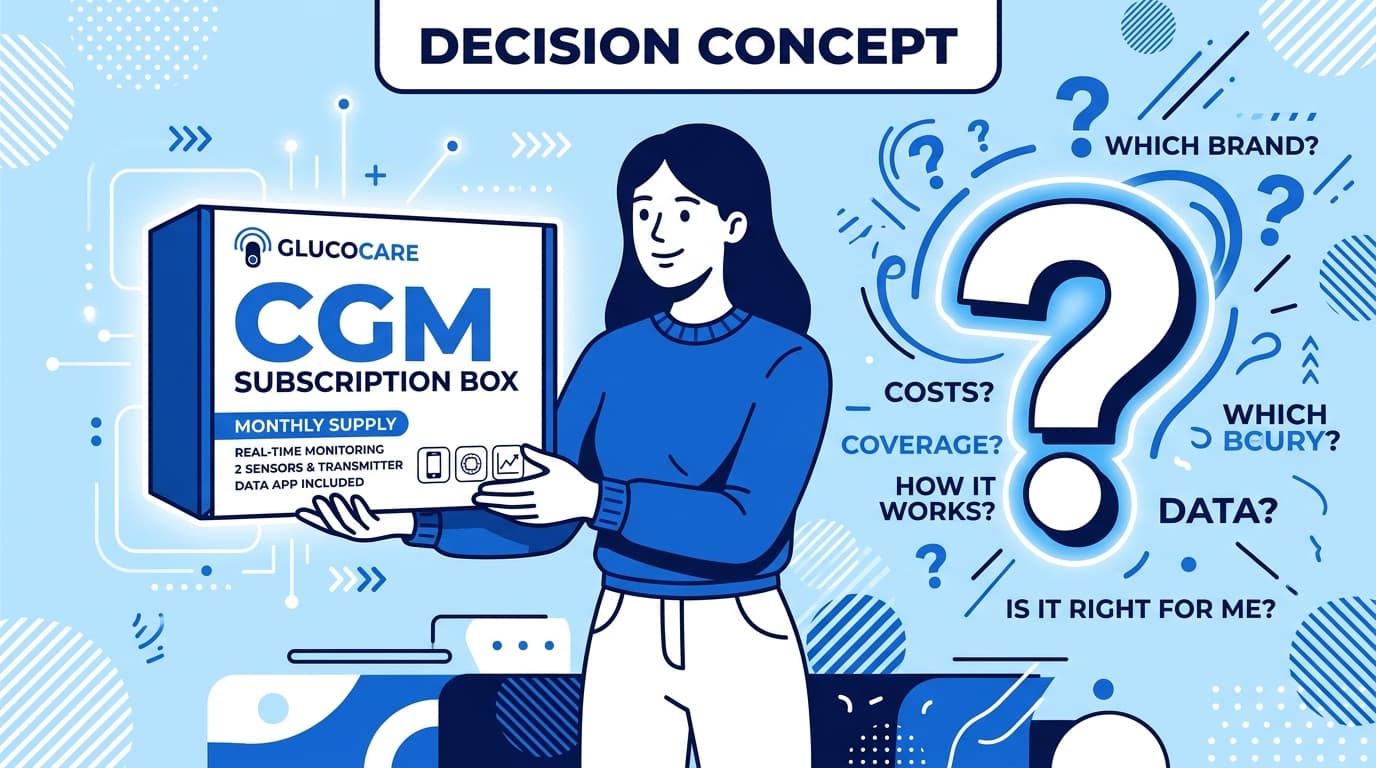
Comparing CGM Subscription Services: Is the Monthly Cost Worth It?
CGM subscription services like Nutrisense, Levels, and Signos bundle sensors with apps and coaching. We compare the monthly costs, features, and value proposition for different types of users.
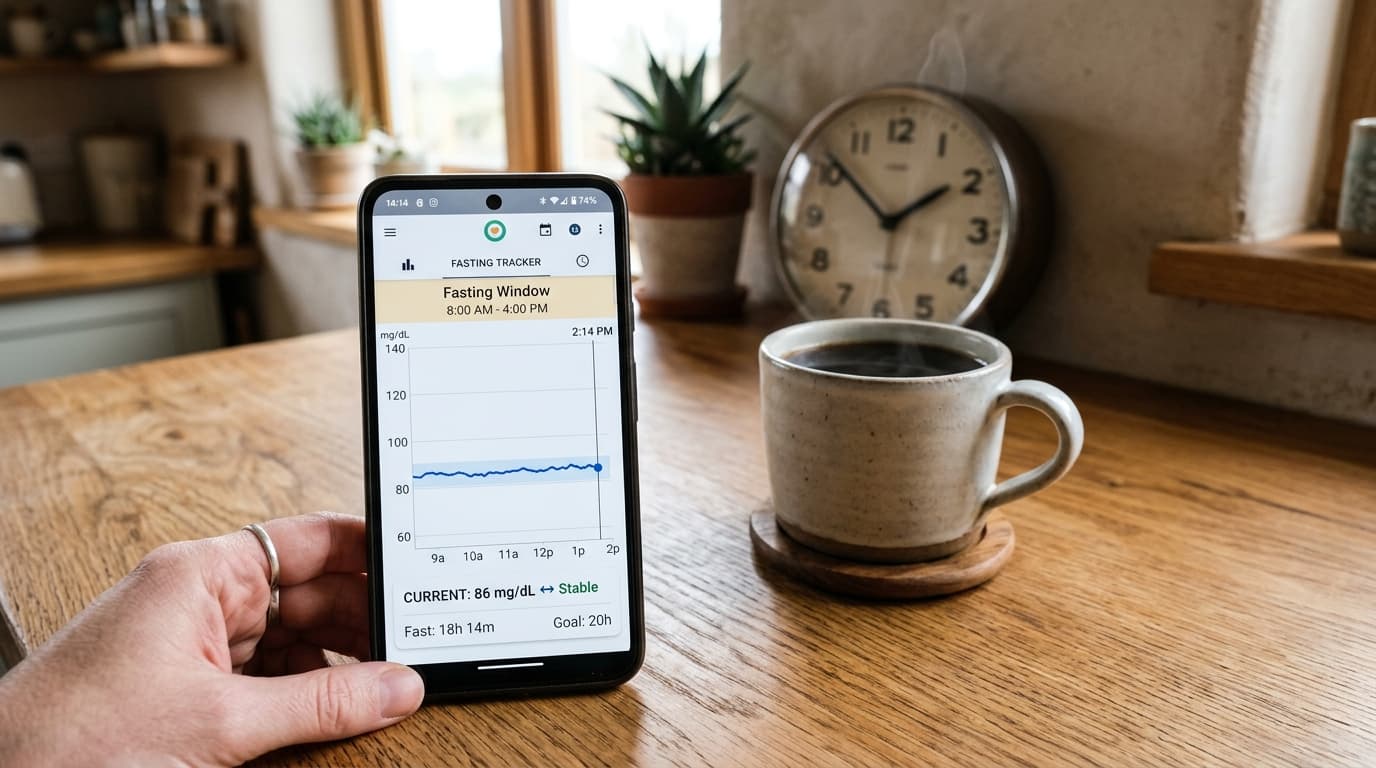
How Intermittent Fasting Affects Blood Sugar: CGM Insights
CGM data reveals how intermittent fasting affects glucose stability, the dawn phenomenon, and metabolic health. Learn who benefits most and what to watch for during fasting windows.

Eversense 365: The First 1-Year Implantable CGM
Senseonics Eversense 365 is the first FDA-cleared implantable continuous glucose monitor that lasts a full year. Learn how fluorescence-based sensing works, what the implant procedure involves, and who it is designed for.
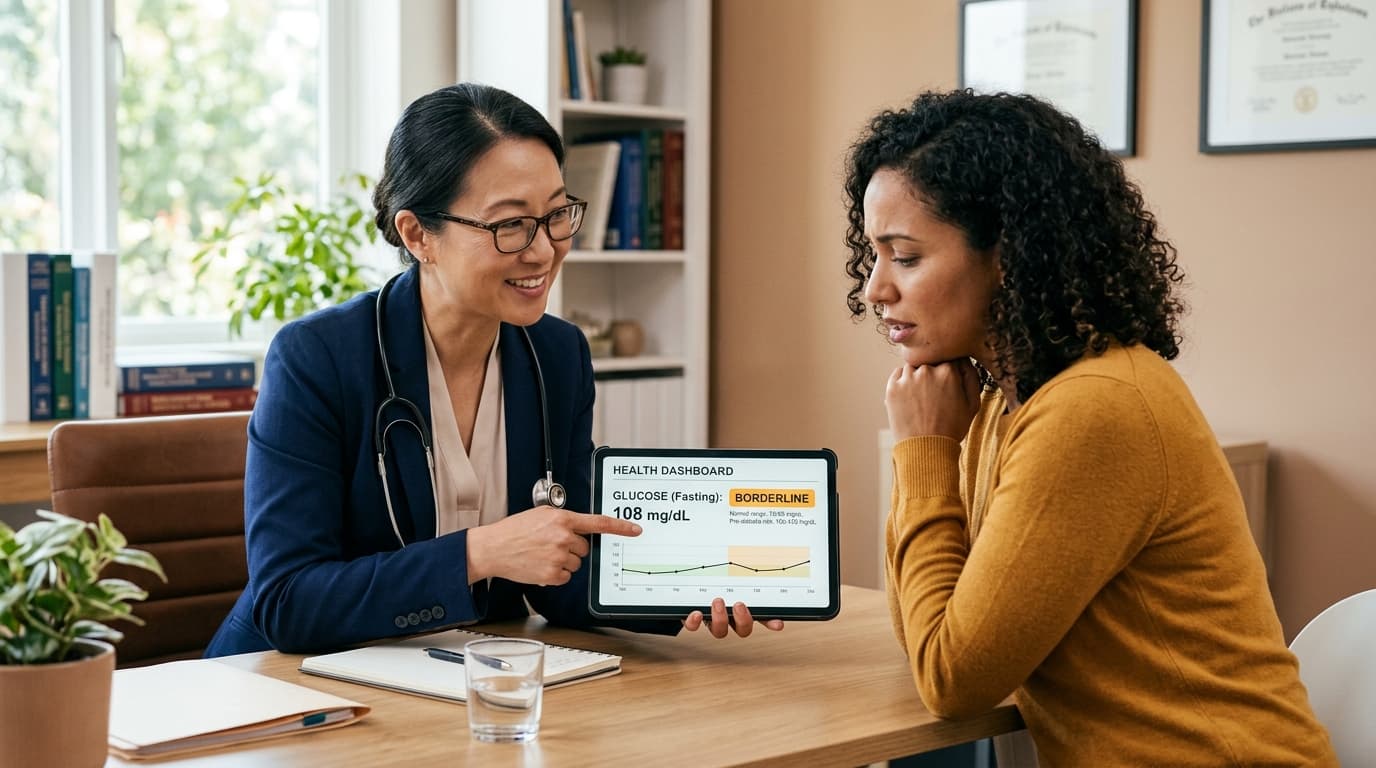
CGM for Prediabetes: Early Detection Through Glucose Monitoring
With 96 million Americans living with prediabetes—most undiagnosed—continuous glucose monitors can reveal hidden glucose spikes and insulin resistance before disease progresses. Learn how CGMs support early intervention.
About the GlucoseIntel Blog
The GlucoseIntel blog covers every dimension of continuous glucose monitoring — from the latest FDA regulatory decisions and new CGM device launches to clinical research summaries and evidence-based nutrition guides. Every article is grounded in published research, manufacturer data, and real-world CGM user experience. We do not accept payment for editorial content, and our product coverage is independent of our affiliate relationships.
Our editorial team includes contributors with expertise in endocrinology, diabetes technology, nutrition science, and health journalism. We cite primary sources (clinical trials, FDA clearance documents, peer-reviewed research) inline in every article so readers can verify claims and explore the evidence for themselves. If you have a topic suggestion or correction, reach out at contact@glucoseintel.com.